English

Quick answer: Sodium lauryl sulfate (SLS), also called sodium dodecyl sulfate (SDS), is used in toothpaste as an anionic surfactant. It can support wetting, ingredient dispersion, cleansing and foam generation. SLS is a formulation component rather than automatically being the product’s anticavity, antigingivitis or plaque-control active ingredient.
For toothpaste manufacturers, selecting SLS involves more than confirming foam generation. The material must work with the chosen abrasive, humectant, binder, flavor, salt and therapeutic-active system while meeting the documentation requirements of the destination market.
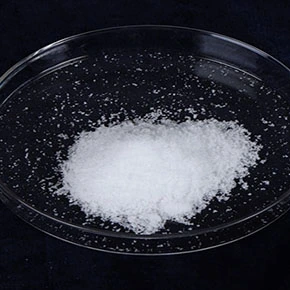
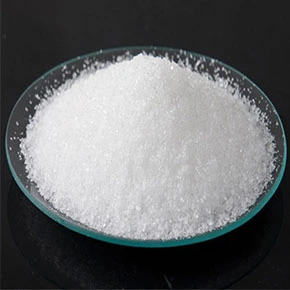
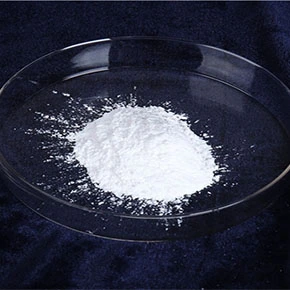
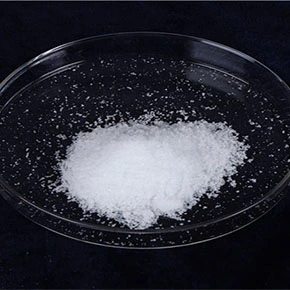
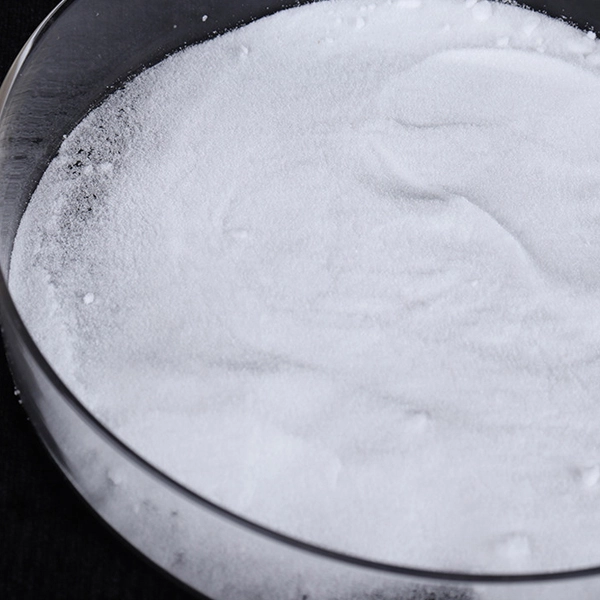
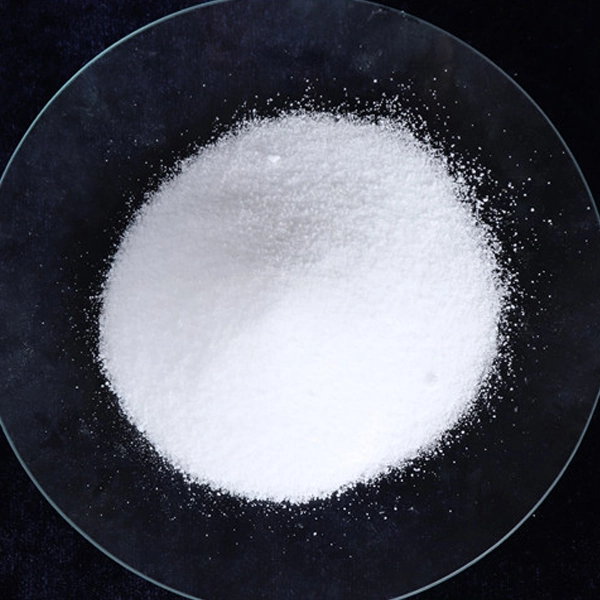
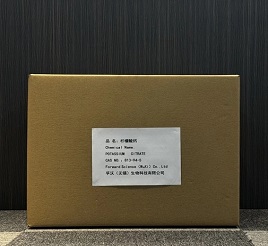
For the chemical identity, published specifications and commercial packing information, visit the sodium dodecyl sulfate and sodium lauryl sulfate product page.
Sodium lauryl sulfate and sodium dodecyl sulfate are commonly used names for the same chemical substance identified by CAS No. 151-21-3.
Sodium dodecyl sulfate or SDS is more common in laboratory, biochemical and technical terminology.
Sodium lauryl sulfate or SLS is more common in toothpaste, personal-care and detergent terminology.
SLS should not be confused with sodium laureth sulfate, commonly abbreviated as SLES. SLES is an ethoxylated surfactant with a different chemical composition and should not be treated as the same ingredient.
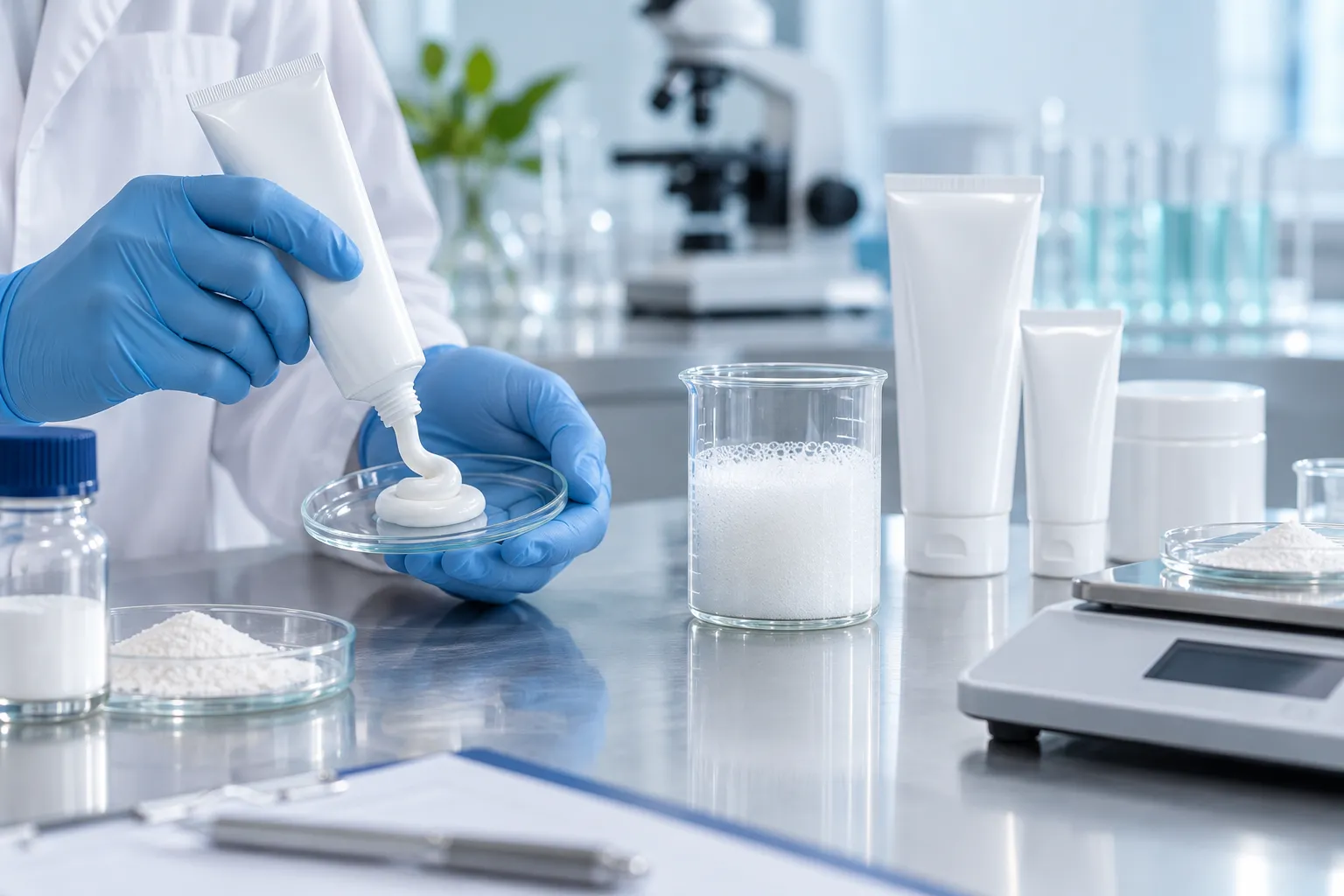
SLS contains a hydrophobic alkyl chain and a negatively charged sulfate group. In an aqueous toothpaste system, this structure allows it to interact with water, hydrophobic soils, solid surfaces and air.
| Formulation Role | What SLS Can Support | Recommended Evaluation |
|---|---|---|
| Wetting and spreading | Distribution of the paste and liquid phase during brushing | Surface wetting, paste distribution and rinse behavior |
| Cleansing support | Mobilization of compatible oily and particulate soils | Application-relevant cleaning testing with a control formula |
| Foam generation | Visible lather and perceived distribution during brushing | Foam volume, density, stability and sensory acceptance |
| Ingredient dispersion | Uniform distribution of compatible formulation components | Homogeneity, processing consistency and storage stability |
Foam is a sensory and distribution characteristic. It should not be presented as direct proof of plaque removal, anticavity performance or another therapeutic effect.
In an archived U.S. FDA toothpaste label, sodium lauryl sulfate is listed among the inactive ingredients, while the therapeutic active ingredients and their purposes are listed separately. Finished-product claims depend on the approved formulation and applicable market requirements.
Toothpaste is a concentrated and structured formulation. Abrasives, humectants, binders, flavors, salts and therapeutic actives can all change viscosity, foam, taste, stability and processing behavior.
| Component Group | Possible Effect on the System | Validation Focus |
|---|---|---|
| Abrasives such as hydrated silica or calcium-based materials | Change surface area, ionic environment, rheology and cleaning profile | Foam, viscosity, cleaning, stability and active compatibility |
| Humectants such as glycerin and sorbitol | Change water activity, viscosity, flavor release and foam texture | Extrusion, sensory profile, foam density and aging |
| Binders and polymers | Influence hydration and rheology; ionic polymers may interact with SLS | Order of addition, viscosity recovery, stability and precipitation |
| Flavors and essential oils | Add hydrophobic load and influence sensory perception | Solubilization, flavor release, aftertaste and storage stability |
| Therapeutic actives | Have separate stability, availability and regulatory requirements | Assay, release, compatibility and destination-market claims |
The appropriate SLS concentration is formulation-specific. Development should identify the level that meets the required wetting, foam, processing and sensory targets without compromising formula stability or compatibility.
Zinc salts may be selected for separate oral-care formulation purposes. However, introducing an ionic ingredient can change the environment surrounding the surfactant.
When SLS is used in a toothpaste containing zinc sulfate or another zinc salt, formulators should evaluate:
The exact identity, grade and concentration of the zinc salt.
Changes in ionic strength and surfactant behavior.
Solubility and the possibility of haze or precipitation.
Finished-product pH and viscosity stability.
Taste, aftertaste and flavor compatibility.
Compatibility with abrasives and therapeutic actives.
The regulatory status and evidence required for any zinc-related claim.
Zinc sulfate and zinc citrate should not be treated as interchangeable ingredients. Their chemical composition, zinc content, solubility and formulation behavior differ.
Likewise, the presence of both SLS and a zinc salt does not by itself prove a synergistic therapeutic effect. Any finished-product claim requires appropriate formulation, regulatory and clinical evidence.
Related oral-care ingredients can be explored through Forward Science's guide to chemicals used in toothpaste.
Controlled studies have reported that some SLS-containing toothpaste test systems produced more transient oral epithelial desquamation or irritation signs than selected alternative-detergent formulations.
This information may be relevant when developing toothpaste intended for consumers who report oral sensitivity or when comparing surfactant systems. However, the evidence should not be overgeneralized.
The studies evaluated specific products, surfactant systems and test conditions. They do not establish that every SLS-containing toothpaste is unsafe or unsuitable. Formula composition, concentration, exposure, brushing behavior and individual susceptibility can all influence the result.
Manufacturers developing products with a sensitivity positioning may consider comparing:
A standard SLS-containing control formula.
A reduced-SLS prototype.
An alternative-surfactant prototype.
Foam, taste, cleaning support and stability performance.
Appropriate tolerability or clinical evaluation where required.
Any health, irritation, sensitivity or therapeutic claim should be reviewed by qualified regulatory and clinical specialists before publication.
“SLS 99%” is not a complete purchasing specification for an oral-care formulation. Buyers should assess composition, impurities, quality documentation and commercial consistency.
| Review Area | Supplier Evidence to Request | Why It Matters |
|---|---|---|
| Chemical identity | Name, synonyms, CAS No. 151-21-3, formula and physical form | Prevents confusion with SLES or another surfactant |
| Active matter or assay | Specification, reporting basis and lot result | Supports dosage control and batch consistency |
| Water content | Maximum limit and test result | Affects actual active fraction and powder handling |
| Sodium sulfate and sodium chloride | Separate limits and lot-specific results | Support ionic-load and formulation control |
| Trace elements | Agreed limits with applicable test methods | Supports risk assessment and market requirements |
| Quality documents | Current specification, COA, SDS and TDS | Supports supplier approval, handling and lot release |
| Additional declarations | Allergen, GMO, BSE/TSE or microbiological information when applicable | Avoids unsupported blanket claims |
| Packing and supply | Package type, net weight, labels, lead time and change control | Supports production planning and routine procurement |
The availability of a declaration should be confirmed for the specific grade and supplier. Terms such as allergen-free, GMO-free or compliant with a named standard should not be used without supporting documentation.
Provide the supplier with the intended toothpaste application and destination market.
Define the required active matter, moisture, inorganic-salt and trace-element limits.
Request a traceable sample, product specification, representative COA, SDS and TDS.
Test the material in the complete toothpaste base rather than only in water.
Evaluate foam, wetting, cleaning support, taste, viscosity and accelerated stability.
Verify the stability and availability of any therapeutic active ingredient.
Complete the required regulatory and claim review.
Compare the approved sample COA with the first commercial production lot.
Confirm packing, quantity, Incoterm, destination and delivery requirements.
SLS is used as a surfactant to support wetting, ingredient dispersion, cleansing and foam generation during brushing.
Yes. Sodium lauryl sulfate and sodium dodecyl sulfate are common names for the substance identified by CAS No. 151-21-3.
No. SLS is generally used as a formulation surfactant. Anticavity and other therapeutic claims depend on the product’s approved active ingredients and applicable regulations.
No. Foam is not a direct measure of plaque removal or anticavity performance. Cleaning depends on brushing, abrasives, surfactants and the complete formulation.
It may be considered in a formula containing zinc sulfate, but solubility, ionic strength, taste, viscosity, stability and regulatory positioning must be evaluated.
Some manufacturers use alternative surfactants when developing products for specific sensory or sensitivity positioning. This does not mean that every SLS-containing toothpaste is unsuitable.
Request a grade-specific specification, lot COA, SDS, TDS, applicable declarations, packing details, sample information and evidence relevant to the destination market.
Forward Science is a sodium lauryl sulfate and sodium dodecyl sulfate manufacturer and wholesale supplier serving oral-care manufacturers, formulators and chemical distributors.
Send your toothpaste application, required specification, trial quantity, annual volume, destination market and documentation list so that our team can review product suitability before quoting.
Request SLS specifications, a lot-specific COA, sample information and wholesale pricing
U.S. FDA Archived Toothpaste Label Listing Sodium Lauryl Sulfate as an Inactive Ingredient
Study of Toothpaste Detergents and Oral Mucosal Desquamation