English

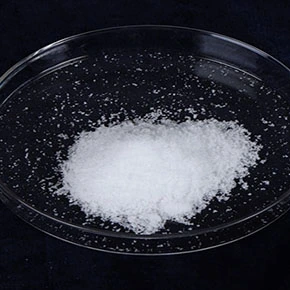
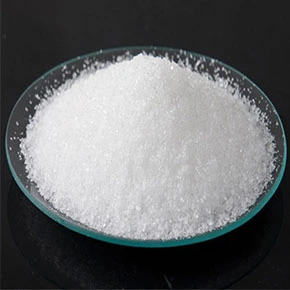
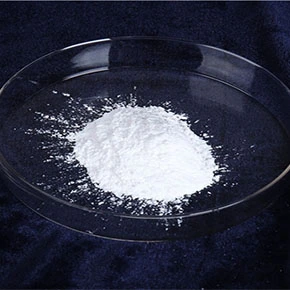
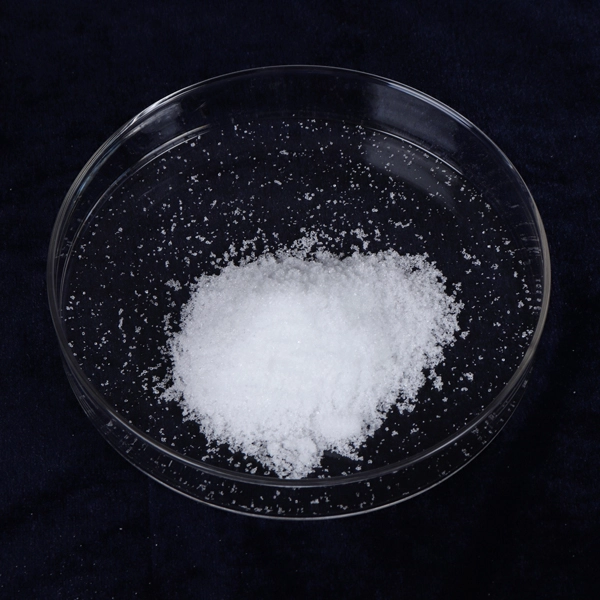
Anhydrous calcium sulfate (CAS: 7778-18-9) is a highly efficient and cost-effective additive widely used in the processing of plastics and flame-retardant materials. Owing to its excellent physical and chemical properties, anhydrous calcium sulfate can significantly improve the flame retardancy of plastics while reducing production costs, making it an ideal flame-retardant additive. The following analysis details its dual role in cost reduction and performance enhancement.
Dilution Effect
Anhydrous calcium sulfate (CAS: 7778-18-9) acts as an inert filler that dilutes the concentration of combustible components in plastic formulations. During combustion, its presence reduces the amount of flammable material available, thereby slowing down the combustion reaction. This delay in flame spread is crucial in minimizing fire hazards and providing valuable escape time.
Barrier Formation
Upon exposure to heat, particles of anhydrous calcium sulfate form a dense, protective surface layer on the material. This barrier helps isolate oxygen from combustible substrates and reduces the transfer of heat to adjacent unburned areas. The formation of this physical shield plays a critical role in impeding flame propagation, enhancing the material's flame-retardant properties.
Endothermic Decomposition
Anhydrous calcium sulfate undergoes endothermic decomposition when exposed to high temperatures, absorbing substantial heat in the process. This heat absorption lowers the surrounding temperature in the combustion zone, thereby slowing the rate of the combustion reaction. By helping to control thermal buildup, it effectively reduces the risk of fire spread.
Char-Forming Catalysis
When used in conjunction with other flame retardants, anhydrous calcium sulfate caso4 promotes the formation of a stable and dense char layer on the plastic surface. This carbonaceous layer acts as a thermal and oxygen barrier, further preventing flame propagation. The synergistic effect is especially notable when combined with phosphorus-based flame retardants, enhancing the charring process and improving flame retardancy.
Free Radical Inhibition
Combustion reactions involve the rapid generation of free radicals, which perpetuate the burning process. Anhydrous calcium sulfate can work synergistically with other flame retardants to suppress the formation of free radicals, effectively interrupting the chain reactions of combustion. In particular, when used alongside nitrogen-based flame retardants, it facilitates the release of inert gases such as nitrogen, which dilute oxygen concentrations and further inhibit free radical formation, leading to improved flame resistance.
The incorporation of anhydrous calcium sulfate (CAS: 7778-18-9) into flame-retardant formulations enables manufacturers to achieve high flame-retardant performance while reducing reliance on more expensive additives. Thanks to its unique physical and chemical characteristics, it not only enhances flame retardancy but also significantly improves the cost-performance ratio of plastic materials. As such, it plays a crucial role in balancing material performance and economic feasibility.
Anhydrous calcium sulfate (CAS: 7778-18-9), as an outstanding flame-retardant additive, delivers a unique combination of physical and chemical benefits that significantly improve flame resistance while lowering material costs. When used synergistically with other flame retardants, it not only amplifies flame-retardant effects but also optimizes the overall cost structure of production, achieving greater value efficiency. Therefore, anhydrous calcium sulfate represents an essential component in flame-retardant formulations within the plastics industry and holds promising potential for widespread application.