English

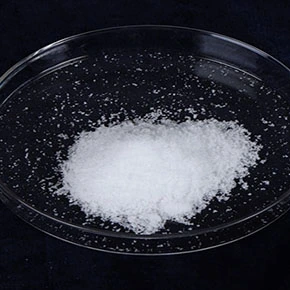
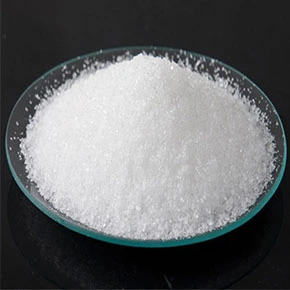
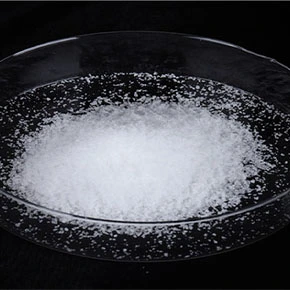
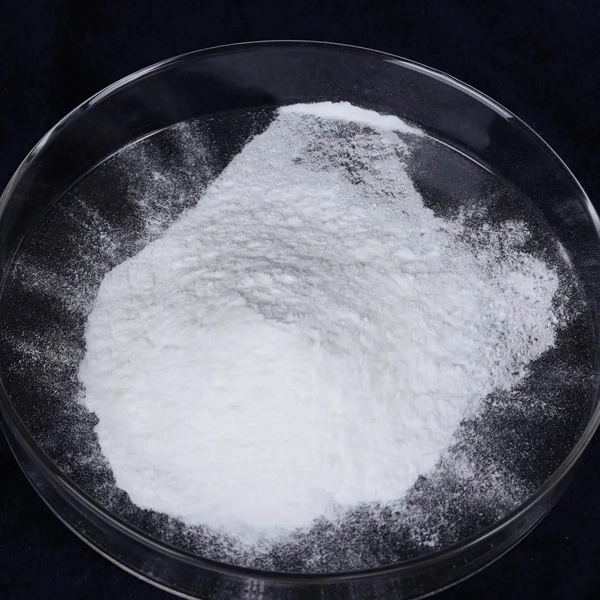
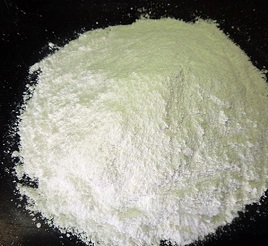
As an organic calcium source, calcium citrate (CAS: 813-94-5) boasts high solubility and does not rely on stomach acid for absorption. This makes it particularly suitable for infants under 2 years old, who often have lower gastric acid secretion. Compared to calcium carbonate, calcium citrate offers 20–30% higher absorption rates and is gentler on the digestive tract, effectively reducing the risk of bloating and constipation. This aligns with the growing parental focus on gut microbiota health in early childhood. The popularity of probiotics and gently absorbed supplements also reflects the heightened concern for infants' digestive well-being, and calcium citrate fits this trend well due to its mild nature.
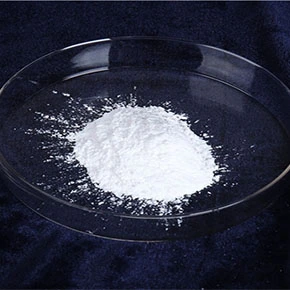
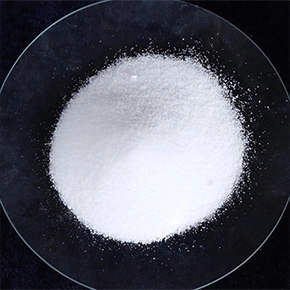
While calcium citrate excels in absorption efficiency, calcium carbonate contains a much higher elemental calcium content (approximately 40% compared to calcium citrate's 21%). This means it delivers more calcium per dose and is generally more affordable, making it a practical choice for families with budget constraints. In the post-pandemic era, families are becoming more financially cautious, and the cost-performance ratio of calcium carbonate appeals to many parents. However, calcium carbonate is better suited for children over 2 years old with fully developed digestive systems.
0–2 years old: Calcium citrate (CAS: 813-94-5) is strongly recommended, as infants have underdeveloped gastric acid secretion and intestinal barriers. Since calcium citrate doesn't depend on stomach acid, it's more readily absorbed at this stage.
Over 2 years old: If the child has no gastrointestinal issues, calcium carbonate can be considered. It should be taken after meals, when food naturally stimulates stomach acid production, enhancing calcium absorption.
Modern parenting supports the concept of "stage-based nutrition", which promotes tailored supplementation plans based on developmental milestones, rather than a one-size-fits-all approach.
Long-term intake of calcium carbonate may increase the risk of kidney stone formation, as it requires significant stomach acid for breakdown, potentially raising oxalate-calcium binding. In contrast, calcium citrate bulk can reduce oxalate absorption, lowering this risk. With increasing concerns about the safety of children's supplements, many parents are seeking low-risk alternatives. The fact that calcium citrate is derived from citric acid (a natural fruit component) also supports the "clean label" movement, resonating with health-conscious families.
Tailored to the child's constitution: For infants with sensitive digestive systems or premature birth history, calcium citrate (CAS: 813-94-5) is preferred due to its mild and safe profile. For healthy older children, calcium carbonate may be a suitable option.
Dietary support: Encourage the consumption of calcium-rich foods like cheese and yogurt to reduce dependency on supplements and promote natural calcium intake.
Sunshine synergy: Ensure 20 minutes of outdoor activity per day to stimulate vitamin D synthesis, further enhancing calcium absorption.
The philosophy of natural parenting is gaining momentum, with increasing emphasis on "food-first, supplements-second", in line with the World Health Organization's call to minimize overmedicalization in child care.
In summary, calcium citrate (CAS: 813-94-5) stands out as the preferred choice for most infants, particularly those under two years old, due to its superior absorption and lower safety risks. Calcium carbonate remains a viable option for older children and cost-conscious families. Today's parenting trends prioritize gentle efficacy and natural ingredients, encouraging parents to adjust calcium supplementation dynamically under professional guidance, based on their child's individual needs and developmental stage.