English

In the world of mushroom cultivation, one often-overlooked yet critically important ingredient is calcium sulfate CaSO₄. As a key supplement in mushroom substrates, calcium sulfate may be added in small quantities, but it plays an irreplaceable role in both nutritional enhancement and environmental regulation, earning it the title of the "invisible expert" behind mushroom growth.
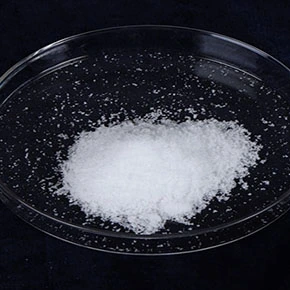
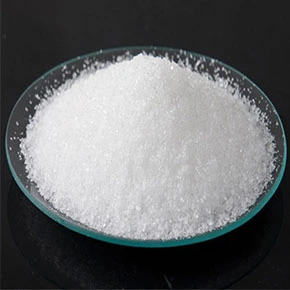
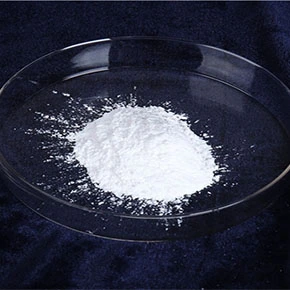
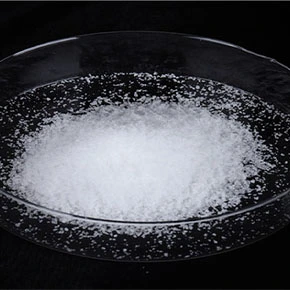
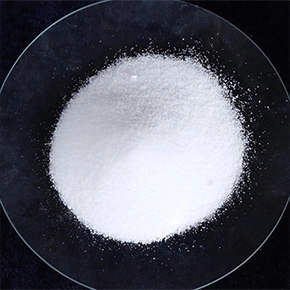
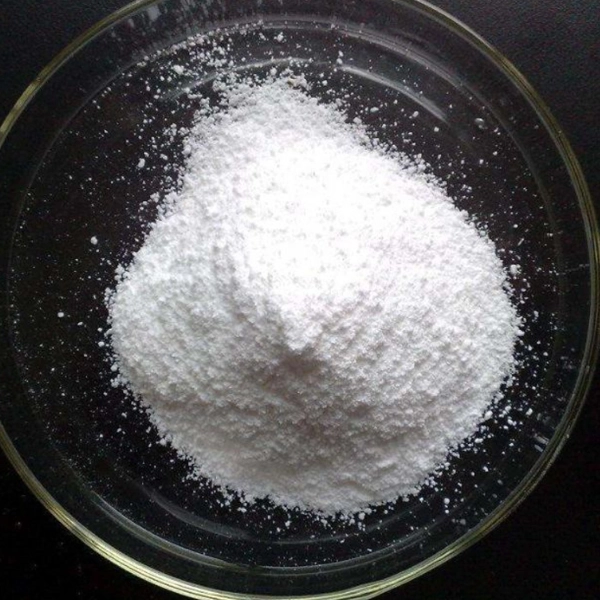
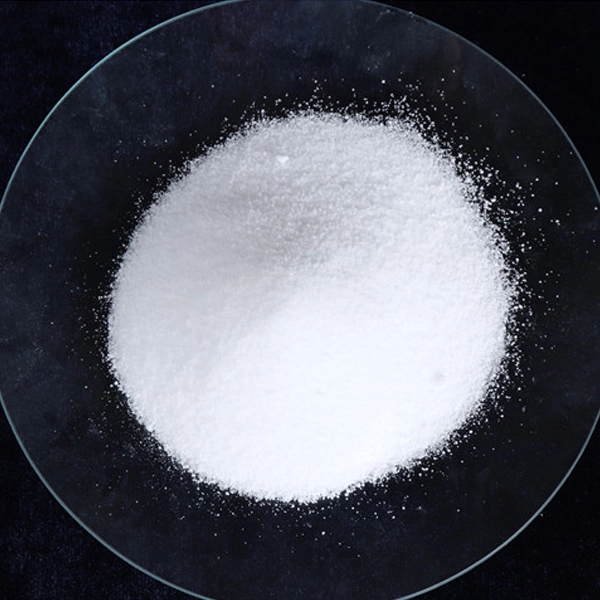
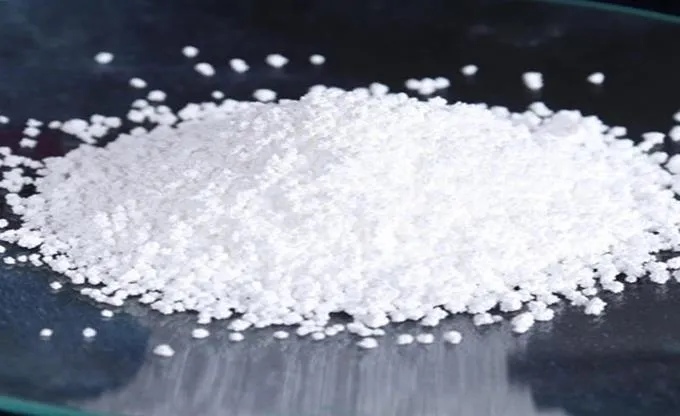
The calcium sulfate commonly referred to here is calcium sulfate dihydrate (CaSO₄·2H₂O), also known as gypsum. High-quality food-grade gypsum powder used for mushroom cultivation contains approximately 20–28% calcium and 16–22% sulfur, making it an excellent source of these essential nutrients. With high bioavailability and cost-effectiveness, it is a practical and economical nutritional additive for fungi.
Adding calcium sulfate CaSO₄ to mushroom substrates primarily serves to supplement essential nutrients. It not only directly supplies calcium and sulfur—both vital for mycelial growth—but also:
• Promotes the breakdown of organic matter and accelerates the release of soluble phosphorus and potassium.
• Enhances nutrient absorption efficiency by the mycelium.
• Neutralizes oxalic acid produced during growth, forming a calcium oxalate protective film that improves mycelial resilience.
• Stimulates cellulose degradation, increasing soluble sugar content and boosting the nutritional value of the substrate.
Though subtle, these changes significantly enhance mycelial vitality and fruiting efficiency, laying a solid foundation for high yields.
Beyond its nutritional function, calcium sulfate plays a crucial role in optimizing the chemical and physical properties of mushroom substrates:
• Increases the buffering capacity of the substrate, stabilizing pH fluctuations caused by ammonia.
• Prevents substrate acidification and anaerobic fermentation, maintaining a stable growth environment.
• Enhances the substrate's resistance to harmful bacteria.
• Improves straw structure by facilitating colloidal particle flocculation and sedimentation, creating a well-aerated environment.
• Strong water retention capability improves compost moisture content and microbial activity, fostering better conditions for mycelial development.
• Reduces sensitivity to nutrient supplements during casing, ultimately increasing productivity.
In short, adding calcium sulfate is not only about feeding the mushrooms, but also about conditioning the soil, creating a stable, healthy, and efficient environment for fungal growth.
Calcium sulfate dihydrate (gypsum) is now widely used in the substrates of various edible mushrooms, including but not limited to shiitake, oyster mushrooms, black fungus, snow fungus, enoki mushrooms, lion's mane, reishi, white button mushrooms, drumstick mushrooms, white king oyster mushrooms, and king oyster mushrooms. Whether for home growing or large-scale greenhouse cultivation, adding the appropriate amount of calcium sulfate provides comprehensive support for mushroom growth.
Choosing high-quality calcium sulfate ensures high yields, efficient growth, and healthy development of mushrooms. Though typically added at only 1–3%, its impact goes far beyond its proportion. In mushroom cultivation, calcium sulfate functions as both a nutritionist and an environmental engineer, safeguarding the healthy development of mycelium.
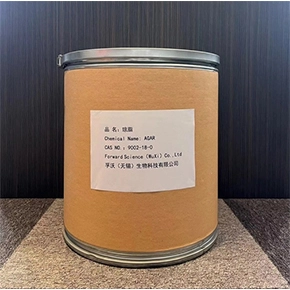
If you are looking to buy calcium sulfate, Forward Science is a trusted supplier worth considering. Forward Science offers calcium sulfate in various specifications suitable for laboratory, industrial, and agricultural use. The products are of reliable quality and widely used across multiple fields.