English

Sodium dodecyl sulfate is a widely used anionic surfactant valued for its cleaning, foaming, wetting, emulsifying and dispersing functions. Also known as sodium lauryl sulfate or SLS, it is used across detergent, personal care, industrial formulation and laboratory applications.
For industrial buyers, however, selecting an SDS product involves more than confirming the chemical name. Purity, active matter, moisture, inorganic salts, particle form, documentation and batch consistency can all influence formulation performance. Understanding these parameters helps purchasing teams compare an SLS supplier on technical suitability rather than price alone.
Sodium dodecyl sulfate is an anionic surfactant consisting of a hydrophobic C12 hydrocarbon chain and a negatively charged sulfate group.
Because one part of the molecule interacts with oils while the sulfate head interacts with water, sodium dodecyl sulfate can reduce interfacial tension and support detergency, wetting, emulsification and foaming.
SDS and SLS commonly refer to the same chemical substance. “Sodium dodecyl sulfate” is frequently used in scientific and laboratory contexts, while “sodium lauryl sulfate” is widely encountered in detergent and personal-care industries. Buyers should therefore avoid assuming that two quotations describe different chemicals merely because one uses SDS and the other SLS.
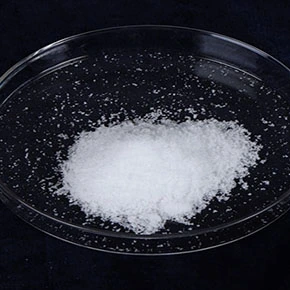
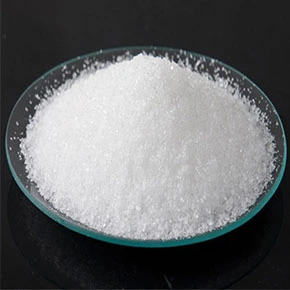
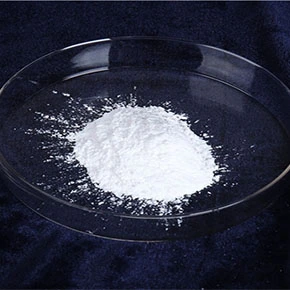
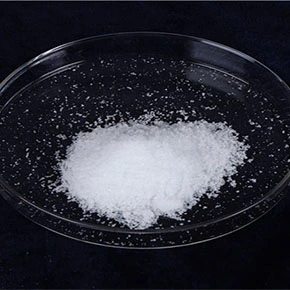
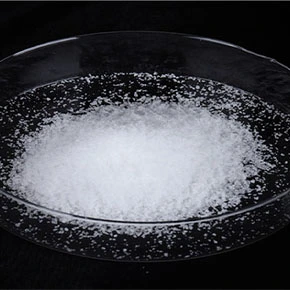
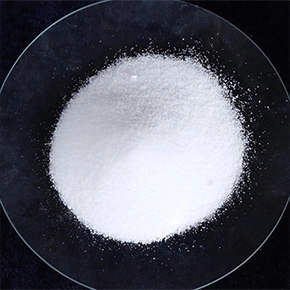
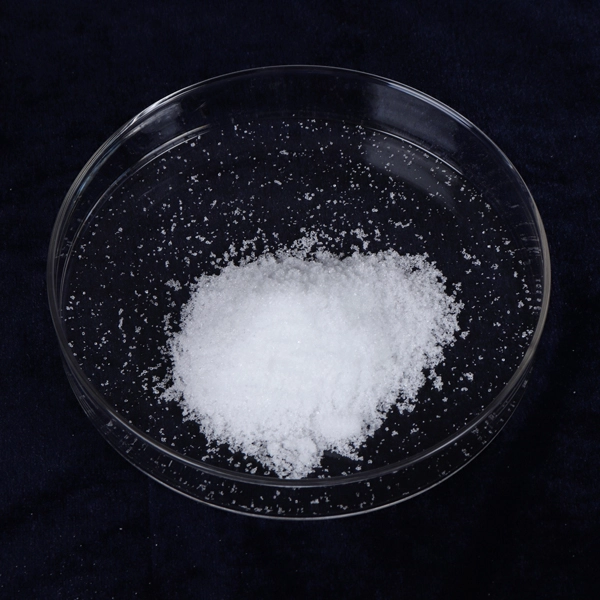
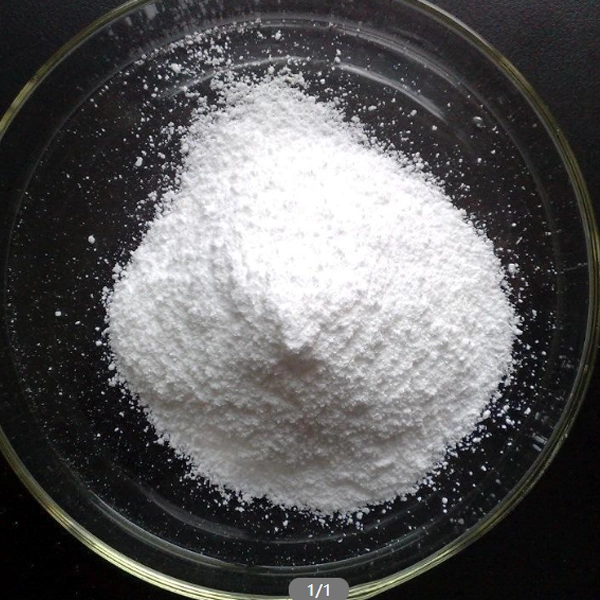
Forward Science supplies sodium dodecyl sulfate as part of its industrial chemical portfolio. Its published product information identifies the material as a white powder and lists a 25 kg bag packaging format.
The sodium dodecyl sulfate CAS number is 151-21-3, and its molecular formula is C12H25NaO4S.
The chemical identity is important in purchasing because names such as SDS and SLS can be confused with other surfactants, particularly SLES. Sodium dodecyl sulfate CAS No. 151-21-3 provides a more precise way to verify the requested substance.
The authoritative NIST Chemistry WebBook record for sodium dodecyl sulfate lists a molecular weight of approximately 288.38 g/mol, while the PubChem sodium lauryl sulfate record confirms the CAS identity, molecular formula and SDS/SLS synonym relationship.
| Property | Reference Information | Why Buyers Should Check It |
|---|---|---|
| Chemical name | Sodium dodecyl sulfate | Confirms material identity |
| Alternative name | Sodium lauryl sulfate | Common commercial terminology |
| CAS number | 151-21-3 | Reduces purchasing ambiguity |
| Molecular formula | C12H25NaO4S | Confirms chemical composition |
| Molecular weight | Approx. 288.38 g/mol | Useful for technical documentation |
| Surfactant type | Anionic surfactant | Indicates formulation behavior |
Forward Science's published specification also lists complete dissolution at 3% in deionized water and a 1% solution pH specification of 6.0–8.0.
Sodium dodecyl sulfate is used when a formulation requires strong detergency, foam generation, wetting or emulsification from an anionic surfactant.
In detergent formulations, the SDS surfactant helps wet surfaces and remove oily or particulate soils. It can therefore appear in household cleaners, institutional cleaning formulations and selected industrial detergents.
In personal-care formulations, sodium lauryl sulfate may provide cleansing and foaming functions in products such as toothpaste and other cleansing systems, subject to the grade and regulatory requirements of the intended market. Forward Science specifically lists SDS as a surfactant and foaming ingredient for toothpaste applications.
Industrial formulators may also use SDS where wetting, emulsification or dispersion is required. However, its performance should be assessed within the complete formulation because electrolyte concentration, pH, temperature and interactions with other surfactants can change the final result.
Buyers comparing SDS with other materials can review Forward Science's wider range of anionic surfactants rather than assuming that one surfactant is optimal for every cleaning or industrial application. The appropriate selection depends on the required foam profile, detergency, wetting speed and compatibility.
Sodium dodecyl sulfate grades should be evaluated by measurable specifications such as active matter, moisture, inorganic salts and application-specific impurity limits.
A quotation stating only “SDS 99%” does not provide enough information for many technical buyers. The certificate of analysis should show which test method is used and whether the specification applies to active matter, chromatographic purity or another measurement.
Forward Science's published SDS specification lists active matter of at least 99% on a dried basis, with a reported sample result of 99.86%. It also specifies sodium sulfate at no more than 0.2%, sodium chloride at no more than 0.1%, and water content at no more than 1.0%.
These parameters matter because impurities and moisture can affect weighing accuracy, solution preparation and formulation reproducibility. For applications with stricter analytical or regulatory requirements, buyers should also confirm relevant trace-element, absorbance or application-specific limits before ordering.
The correct purchasing specification should therefore be based on intended use. An industrial detergent formulation, personal-care application and laboratory process may require different documentation and impurity controls even when all three products carry the same sodium dodecyl sulfate CAS number.
A reliable SLS supplier should provide consistent specifications, traceable documentation and application-appropriate material rather than competing only on unit price.
Before approving a supplier, purchasing and formulation teams should check:
Specification consistency: Confirm active matter, moisture, sodium sulfate, sodium chloride, pH and other parameters important to the formulation.
COA and technical documentation: Request batch-specific certificates and confirm that test items correspond to the agreed purchasing specification.
Grade suitability: Verify whether the offered sodium dodecyl sulfate grade is appropriate for detergent, personal-care, industrial or laboratory use.
Packaging and storage: Check package size, moisture protection and recommended storage conditions before planning warehouse handling.
Sample-to-bulk consistency: Validate a representative sample before moving to routine commercial quantities.
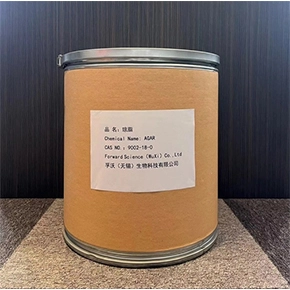
Forward Science publishes a detailed SDS specification rather than presenting the material only by chemical name. The company also states that its SDS is supplied in polyethylene-lined woven bags with a 25 kg net weight per bag and recommends dry, clean and ventilated storage protected from moisture and heat.
Buyers evaluating long-term sourcing can also review Forward Science's company information to understand its chemical product focus and international supply background before requesting specifications, samples or commercial quotations.
Sodium dodecyl sulfate is a versatile anionic surfactant used for cleaning, foaming, wetting and emulsification across multiple formulation industries. Its CAS number 151-21-3, chemical identity and basic properties are straightforward, but commercial sourcing requires closer attention to purity, active matter, moisture, inorganic salts and documentation.
When comparing an SLS supplier, buyers should match the specification to the intended application and verify batch consistency rather than selecting by quoted purity or price alone. Forward Science provides SDS/SLS with published technical parameters for customers seeking application-specific chemical sourcing support.
Sodium dodecyl sulfate is an anionic surfactant used for detergency, foaming, wetting, emulsification and other formulation functions.
The sodium dodecyl sulfate CAS number is 151-21-3.
Yes. Sodium dodecyl sulfate and sodium lauryl sulfate are commonly used names for the same chemical, although terminology varies by industry.
The molecular formula of sodium dodecyl sulfate is C12H25NaO4S, with a molecular weight of approximately 288.38 g/mol.
The required purity depends on the application. Buyers should evaluate active matter together with moisture, inorganic salts, pH and any application-specific impurity requirements rather than relying on one percentage alone.
A professional supplier should be able to provide appropriate product specifications, batch-specific COA information, packaging details and other technical or safety documentation required for the intended application.