

Jan-30-2025

Sodium dodecylbenzene sulfonate is a widely used anionic surfactant valued for its detergency, wetting, emulsifying, dispersing and foaming performance. It is commonly found in household detergents, industrial cleaners, textile auxiliaries, agricultural formulations and a variety of specialty chemical products.
The material is often abbreviated as SDBS. However, buyers may also encounter names such as sodium dodecyl benzene sulfonate, sodium dodecylbenzene sulphonate, sodium lauryl benzene sulfonate and dodecylbenzenesulfonic acid sodium salt.
These names can make product identification confusing, especially because related terms such as dodecylbenzene, benzene sulfonate and sodium benzenesulfonate refer to different chemical substances.
This guide explains the formula, chemical structure, CAS number, common names, functions and applications of sodium dodecylbenzene sulfonate. It also covers the specifications buyers should confirm before placing a bulk order.
Sodium dodecylbenzene sulfonate is commonly abbreviated as SDBS.
It belongs to the alkylbenzene sulfonate family of anionic surfactants.
Its commonly listed molecular formula is C18H29NaO3S.
CAS number 25155-30-0 is widely used for commercial sodium dodecylbenzene sulfonate.
SDBS is not the same chemical as dodecylbenzene or sodium benzenesulfonate.
Important purchasing parameters include active content, physical form, moisture, pH, solubility, particle size and packaging.
Sodium dodecylbenzene sulfonate is the sodium salt of dodecylbenzenesulfonic acid. It contains a long hydrocarbon group attached to a benzene ring and a negatively charged sulfonate group balanced by a sodium ion.
This combination gives the molecule two distinct regions:
A hydrophobic region that interacts with oils, grease and non-polar materials
A hydrophilic sulfonate region that interacts with water
Because it contains both water-attracting and oil-attracting regions, SDBS can accumulate at interfaces between water and oily materials. It reduces interfacial tension and helps oily soil disperse into an aqueous cleaning system.
SDBS is therefore used where a formulation requires one or more of the following functions:
Detergency
Wetting
Foaming
Emulsification
Dispersion
Soil removal
Particle suspension
Its actual performance depends on concentration, temperature, water quality, pH and the other surfactants, builders, solvents, salts and additives in the formulation.
The commonly listed sodium dodecylbenzene sulfonate formula is:
C18H29NaO3S
Its molecular weight is approximately:
348.48 g/mol
PubChem lists sodium dodecylbenzenesulfonate with the molecular formula C18H29NaO3S and identifies SDBS and dodecylbenzenesulfonic acid sodium salt among its names. Commercial products may contain a distribution of structural isomers rather than one isolated positional isomer.
| Property | Typical Identification |
|---|---|
| Chemical name | Sodium dodecylbenzene sulfonate |
| Common abbreviation | SDBS |
| Chemical family | Alkylbenzene sulfonate |
| Molecular formula | C18H29NaO3S |
| Approximate molecular weight | 348.48 g/mol |
| Common CAS number | 25155-30-0 |
| Ionic classification | Anionic surfactant |
| Counterion | Sodium |
| Alternative spelling | Sodium dodecylbenzene sulphonate |
The molecular formula identifies the overall elemental composition, but it does not fully describe the position at which the alkyl chain and sulfonate group are attached to the benzene ring. This distinction matters when comparing a defined laboratory compound with a commercial alkylbenzene sulfonate mixture.
For purchasing purposes, the CAS number, active content, manufacturing specification and certificate of analysis are usually more useful than the molecular formula alone.
The commonly used sodium dodecylbenzenesulfonate CAS number is:
25155-30-0
This CAS number is widely associated with sodium dodecylbenzenesulfonate and dodecylbenzenesulfonic acid sodium salt.
Buyers should still avoid identifying a product from the CAS number alone. A commercial grade may vary in:
Isomer distribution
Active content
Sodium sulfate content
Moisture
Physical form
Color
Particle size
Free alkalinity
Unsulfonated matter
Before ordering, compare the supplier’s technical data sheet, safety data sheet and certificate of analysis with the requirements of the intended formulation.
The sodium dodecylbenzene sulfonate structure can be divided into three functional parts.
The dodecyl group is a long hydrocarbon section containing approximately twelve carbon atoms. It has a strong affinity for oils, grease and other hydrophobic substances.
During cleaning, this region can associate with oily soil and help move it away from a surface.
The benzene ring connects the alkyl chain to the sulfonate-containing portion of the molecule. It contributes to the characteristic structure of alkylbenzene sulfonate surfactants.
The sulfonate group carries a negative charge in water. The sodium ion acts as the corresponding counterion.
The charged sulfonate group promotes interaction with water, while the hydrocarbon portion interacts with non-polar material. This amphiphilic structure is responsible for the surface-active behavior of SDBS.
At a sufficient concentration, surfactant molecules can organize into aggregates such as micelles. Their hydrophobic regions turn inward while the hydrophilic groups remain in contact with water. Oily substances can then be incorporated into or associated with these structures and remain dispersed in the cleaning solution.
The most common abbreviated name is:
SDBS
Other names and spelling variants include:
Sodium dodecylbenzene sulfonate
Sodium dodecyl benzene sulfonate
Sodium dodecylbenzene sulphonate
Dodecylbenzenesulfonic acid sodium salt
Dodecyl benzene sulfonate
Sodium laurylbenzene sulfonate
Sodium lauryl benzene sulfonate
Alkylbenzenesulfonic acid sodium salt
“Sodium lauryl benzene sulfonate” may be used as a synonym because lauryl commonly refers to a twelve-carbon alkyl group. However, commercial terminology is not always sufficiently precise for technical purchasing.
When confirming a material, use the full chemical name, CAS number, grade, active content and specification rather than relying only on a common name.
No. The phrase “sodium dodecyl benzene” is chemically incomplete and should not be used as a precise technical name for SDBS.
Dodecylbenzene is a hydrocarbon consisting of a dodecyl group attached to a benzene ring. It does not contain the sulfonate group or sodium counterion that gives SDBS its anionic surfactant properties.
PubChem lists dodecylbenzene separately with the molecular formula C18H30, while sodium dodecylbenzenesulfonate is listed as a different chemical entity.
| Substance | Formula | Main Difference |
|---|---|---|
| Sodium dodecylbenzene sulfonate | C18H29NaO3S | Finished sodium sulfonate surfactant |
| Dodecylbenzene | C18H30 | Hydrocarbon without a sulfonate group |
| Dodecylbenzenesulfonic acid | Commonly represented as C18H30O3S | Acid form before sodium neutralization |
| Sodium benzenesulfonate | C6H5NaO3S | Does not contain a dodecyl chain |
Dodecylbenzene can serve as a chemical feedstock in the production route for alkylbenzene sulfonates, but it should not be treated as an alternative name for the finished surfactant.
No. Sodium benzenesulfonate and sodium dodecylbenzene sulfonate are different substances.
Sodium benzenesulfonate contains a benzene ring and a sodium sulfonate group but does not contain the long dodecyl chain found in SDBS. PubChem lists sodium benzenesulfonate with the formula C6H5NaO3S and CAS number 515-42-4.
The missing hydrocarbon chain substantially changes the molecule’s surface-active behavior. For this reason, sodium benzenesulfonate should not be presented as a substitute, common name or shorter version of sodium dodecylbenzene sulfonate.
The term “benzene sulfonate” is also broad. It may describe the benzenesulfonate ion or be used as part of the names of many related compounds. A supplier and buyer should therefore confirm the complete chemical identity.
SDBS is selected for industrial and detergent formulations because it can provide a useful combination of cleaning, wetting and dispersion properties.
The molecule helps detach oily or particulate soil from a surface and keep the removed material dispersed in water.
By reducing surface tension, SDBS allows a liquid formulation to spread more readily across a substrate or penetrate porous material.
SDBS can contribute to foam formation and foam stability. The actual foam profile depends on water hardness, concentration, temperature and the surrounding formulation.
It can help stabilize mixtures containing water and water-insoluble liquids. This is useful in cleaners, process chemicals and certain emulsion systems.
SDBS can assist in distributing particles through a liquid and reducing unwanted agglomeration. Its suitability depends on particle chemistry, ionic strength and formulation conditions.
SDBS is frequently combined with nonionic, amphoteric or other anionic surfactants. Blending may be used to adjust detergency, foam, viscosity, wetting, cost or performance under specific water conditions.
Formulators should test compatibility rather than assuming that all surfactant combinations will remain stable.
SDBS may be used in laundry detergents, dishwashing products, hard-surface cleaners and general-purpose cleaning formulations.
Its role may include:
Grease removal
Soil suspension
Wetting
Foaming
Detergent performance support
Industrial cleaners may use SDBS for removing oil, processing residues and particulate contamination from equipment or surfaces.
The final formulation may also contain builders, chelating agents, solvents, corrosion inhibitors and other surfactants.
In textile operations, SDBS may function as a wetting, washing, scouring, emulsifying or dispersing agent.
Selection should consider:
Fiber type
Processing temperature
Water hardness
Dye system
Electrolyte concentration
Downstream rinsing requirements
SDBS may be used as a wetting, dispersing or emulsifying component in certain agricultural chemical formulations.
Suitability must be evaluated according to the active ingredient, formulation type, local regulations and required environmental profile.
Anionic surfactants may be used to help stabilize emulsions during the manufacture of certain polymer dispersions.
Important factors include particle size requirements, electrolyte tolerance, reaction conditions and the desired properties of the finished latex.
SDBS can be considered where a formulation needs better wetting and distribution of hydrophobic particles.
Laboratory evaluation is necessary because dispersion performance depends heavily on the particle surface and the other formulation components.
Some construction, mineral-processing and industrial formulations use anionic surfactants for wetting, foaming, cleaning or dispersion.
The required SDBS grade should be selected according to the end application rather than from active content alone.
Not every sodium dodecylbenzene sulfonate grade performs the same way. Buyers should evaluate the complete specification.
Active content indicates the proportion of effective surfactant material. A higher number does not automatically mean the product is better for every formulation.
The correct active content depends on:
Dosing equipment
Formulation water content
Handling requirements
Transportation cost
Desired concentration
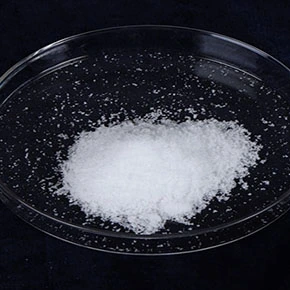
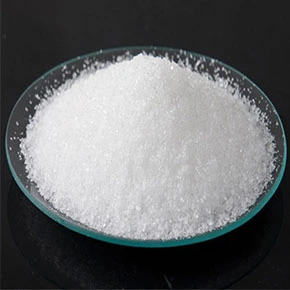
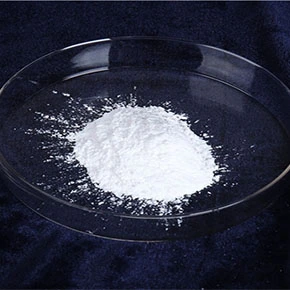
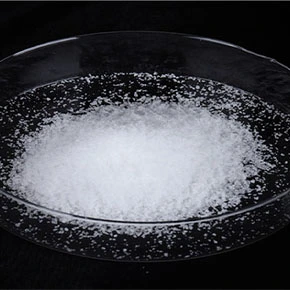
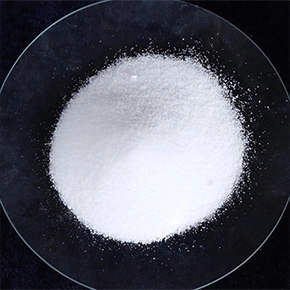
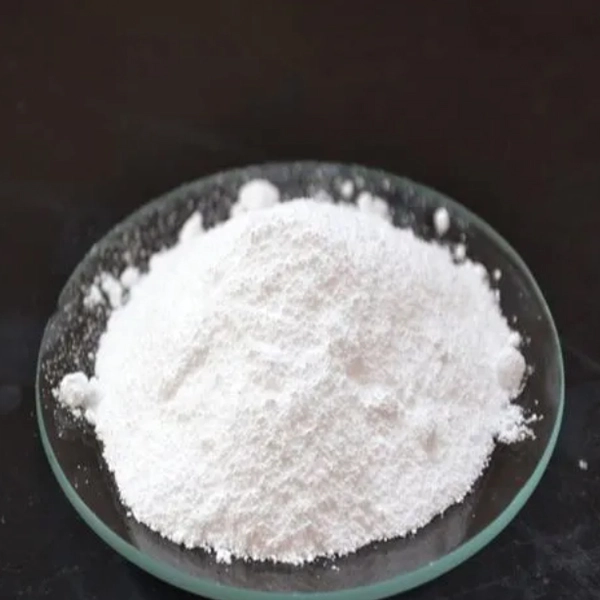
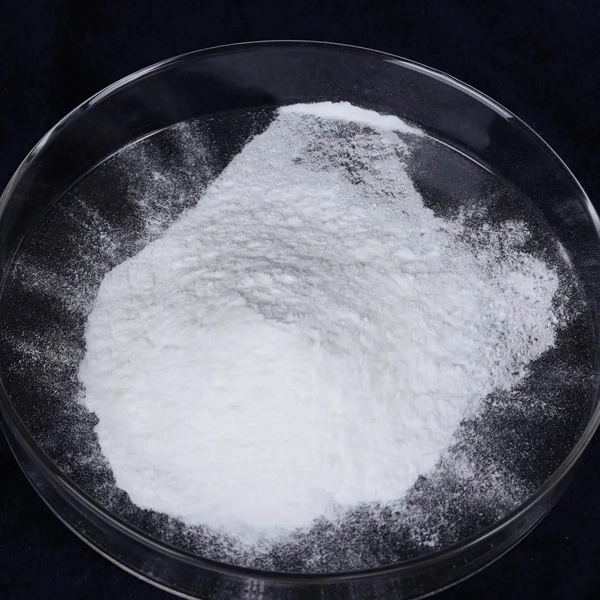
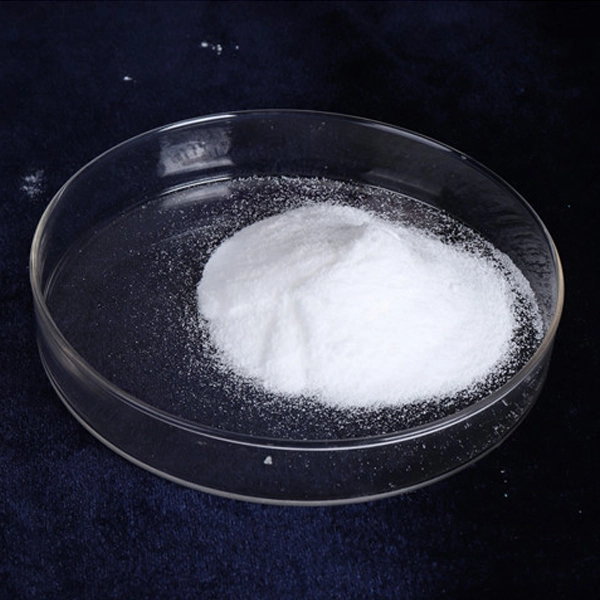
SDBS may be supplied in forms such as powder, granules, flakes, paste or liquid solution.
Powders and granules may offer higher active content and lower freight cost per unit of active material. Liquids can be easier to pump and dose in automated systems.
Moisture and salts affect the effective surfactant concentration, flow properties and formulation balance.
Always calculate cost on the basis of usable active matter rather than price per kilogram alone.
The pH of a supplied product or solution can influence formulation compatibility. Buyers should specify the testing concentration and method because pH results depend on how the sample is prepared.
A product may be chemically suitable but operationally inconvenient if it dissolves too slowly under the buyer’s processing conditions.
Testing should reflect actual:
Water temperature
Agitation
Addition sequence
Batch size
Electrolyte level
For powdered grades, particle size can influence dust generation, dissolution, dosing accuracy and storage behavior.
A reliable supply package may include:
Technical data sheet
Safety data sheet
Certificate of analysis
Product specification
Regulatory statements
Country-of-origin documents
Batch traceability information
The exact documents required depend on the destination market and application.
Before requesting a quotation, provide the supplier with:
Full product name
CAS number
Required active content
Preferred physical form
Target application
Estimated order quantity
Annual demand
Packaging requirement
Destination country or port
Required compliance documents
Sample requirement
Preferred Incoterm
A detailed request helps the supplier recommend the correct grade and prepare a more accurate quotation.
Sodium dodecylbenzene sulfonate is an important anionic surfactant used for detergency, wetting, emulsification, dispersion and foaming.
Its commonly listed formula is C18H29NaO3S, and CAS number 25155-30-0 is widely associated with commercial SDBS. However, chemical identity alone is not enough to select a suitable product.
Buyers should also compare active content, physical form, moisture, pH, inorganic salt level, solubility, particle size, documentation and batch consistency.
It is equally important to distinguish SDBS from dodecylbenzene, sodium benzenesulfonate and other similarly named chemicals. Confirming the CAS number and technical specification helps prevent incorrect sourcing and formulation problems.
For a product recommendation, sample or bulk quotation, send our technical team your required grade, application, quantity, packaging and destination.
Sodium dodecylbenzene sulfonate is used as an anionic surfactant in detergents, industrial cleaners, textile chemicals, agricultural formulations, particle dispersions and other products requiring detergency, wetting, emulsification, foaming or dispersion.
The commonly listed sodium dodecylbenzene sulfonate formula is C18H29NaO3S. Commercial products may contain a mixture of structural isomers, so buyers should also confirm the CAS number and grade specification.
The commonly used CAS number is 25155-30-0. Check the supplier’s technical data sheet and certificate of analysis to confirm that the supplied grade matches your application.
The most common abbreviation is SDBS. Other names include dodecylbenzenesulfonic acid sodium salt, sodium dodecylbenzene sulphonate and sodium laurylbenzene sulfonate.
The term sodium laurylbenzene sulfonate is often used as a synonym for SDBS because lauryl generally refers to a twelve-carbon chain. For technical purchasing, confirm the complete chemical name, CAS number and specification.
No. Dodecylbenzene is a hydrocarbon without the sulfonate group and sodium ion found in SDBS. They have different chemical identities and should not be used interchangeably.
No. Sodium benzenesulfonate does not contain the long dodecyl chain found in SDBS. It is a different chemical substance with different properties and applications.
Performance is influenced by active content, concentration, temperature, pH, water hardness, electrolytes and interactions with other surfactants, builders, solvents and additives.