English

Quick answer: Sodium dodecyl sulfate is an anionic surfactant that can provide wetting, cleaning, emulsifying, dispersing and foaming functions. These are potential formulation functions rather than guaranteed finished-product results. Concentration, temperature, electrolytes, water quality, pH and other ingredients can materially change performance.
The most useful question for an industrial formulator is not simply “What is sodium dodecyl sulfate used for?” It is “Which function must the surfactant deliver, under which processing conditions, and how will the result be measured?”
This distinction is important when comparing SDS products or selecting an industrial surfactant supplier. Two materials with the same CAS number may have different active-matter limits, moisture levels, inorganic-salt content, physical forms and lot-control standards.
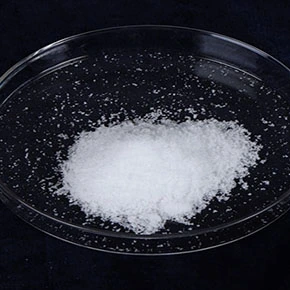
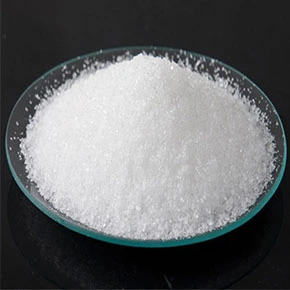
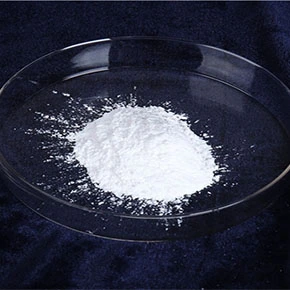
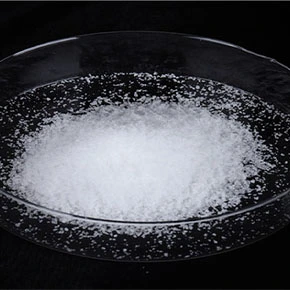
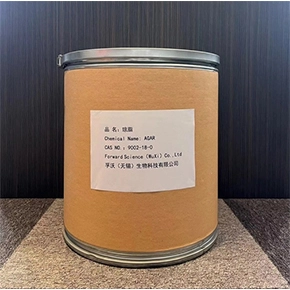
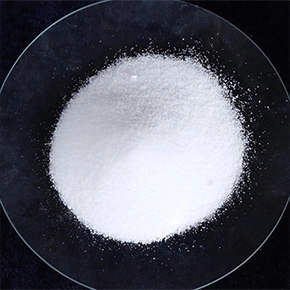
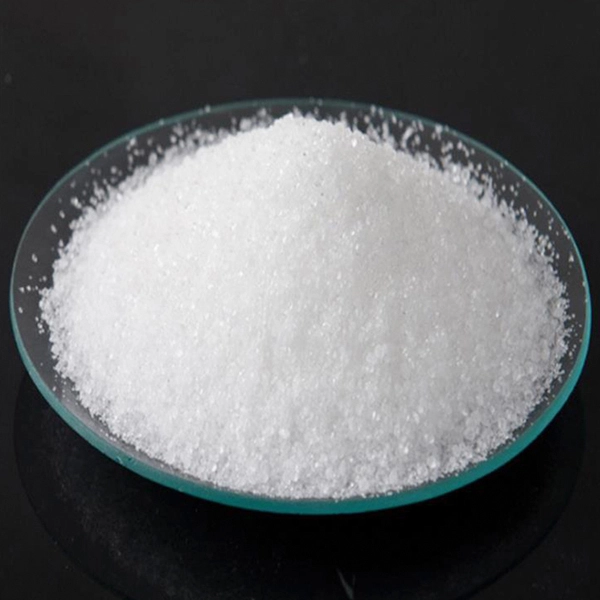
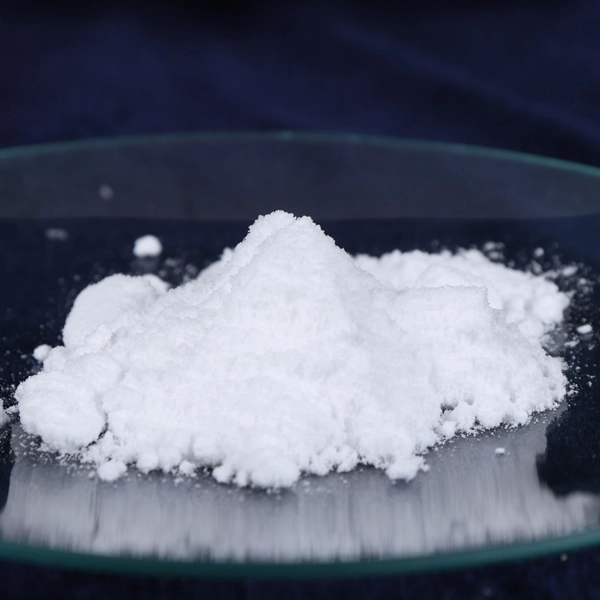
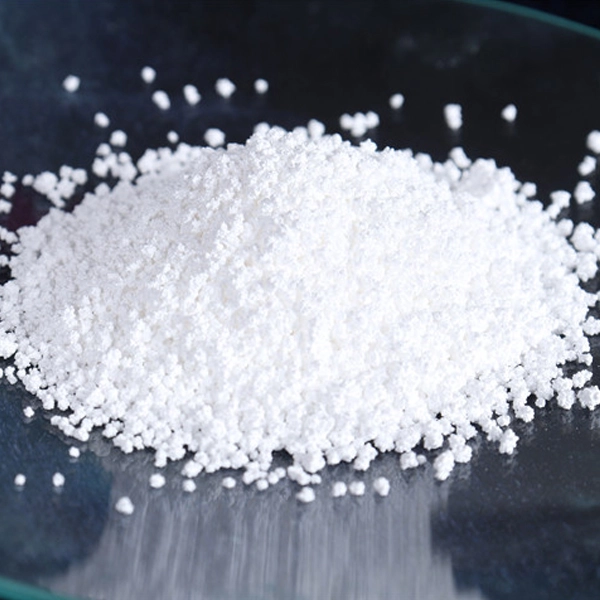
For published product parameters, commercial packing and document enquiries, visit the Forward Science sodium dodecyl sulfate product page.
Sodium dodecyl sulfate, also known as sodium lauryl sulfate or SLS, contains a hydrophobic C12 hydrocarbon chain and a hydrophilic, negatively charged sulfate group.
This amphiphilic structure allows SDS molecules to accumulate at interfaces between water, air, oils and compatible solid surfaces. By changing interfacial properties, SDS can support spreading, soil removal, emulsification, particle wetting and foam formation.
At condition-dependent concentrations, SDS molecules can also organize into aggregates such as micelles. These aggregates help incorporate compatible hydrophobic materials into the aqueous system.
However, the molecular structure alone cannot predict the performance of a commercial formulation. The substrate, soil, oil phase, water composition, temperature, mixing energy and other ingredients must all be considered.
| Required Function | What SDS May Contribute | Recommended Evaluation |
|---|---|---|
| Wetting | Faster spreading of the liquid over a compatible surface | Wetting time, contact angle or substrate-specific soak testing |
| Detergency | Removal and suspension of selected oily or particulate soils | Standardized soil removal, rinse cycles and redeposition testing |
| Foaming | Foam generation and stabilization at the air-water interface | Initial foam volume, foam density and decay over time |
| Emulsification | Distribution of a compatible oil phase in an aqueous system | Droplet size, creaming, phase separation and accelerated stability |
| Dispersion | Wetting and separation support for compatible solid particles | Particle-size change, settling rate, viscosity and redispersibility |
Visible foam does not automatically prove cleaning performance. Similarly, an emulsion that appears stable immediately after mixing may still separate during storage or transportation. Performance claims should therefore be tied to an application-relevant test method.
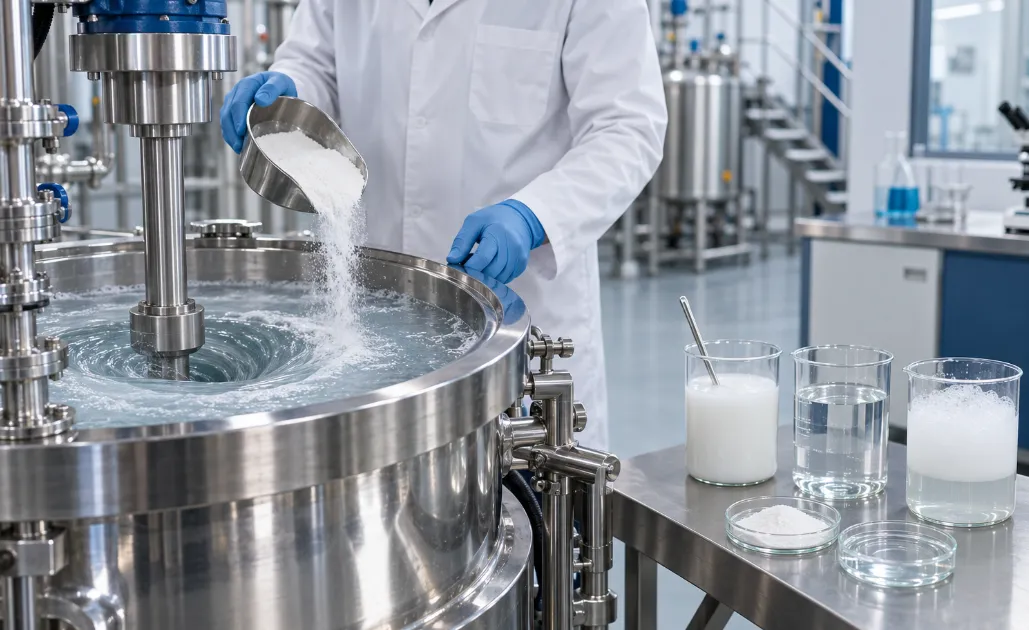
Increasing the SDS concentration does not produce a proportional increase in every surfactant function. Once the interface and aggregation behavior change, additional surfactant may provide diminishing benefits or create unwanted foam, rinsing or compatibility problems.
The required concentration should be established by application testing rather than copied from a general formulation.
Added salts, process-water ions and hardness can change micellization, solubility and interactions with other ingredients. A critical micelle concentration measured in purified water should not be treated as a universal production value.
Formulators should test SDS using the actual process water or a controlled simulation of its ionic composition.
Temperature can affect dissolution, aggregation, viscosity and interfacial behavior. Testing only at room temperature may fail to identify problems that occur during cold storage, heated processing or transportation.
The evaluation program should include the lowest expected storage temperature and the highest expected processing temperature.
SDS should not be expected to establish the required finished-product pH by itself. Changes in pH can alter other formulation ingredients and affect overall stability, rheology and performance.
Compatibility should be confirmed across the intended pH range of the finished product.
Because SDS is anionic, it can interact strongly with cationic surfactants, polymers and other positively charged components. These interactions may change viscosity, form complexes or result in precipitation.
The behavior cannot always be predicted from the ingredient category. Research involving different cationic celluloses has shown that structurally similar polymers may respond differently when combined with SDS.
Combining SDS with other surfactants may help adjust detergency, foam, wetting or cost-in-use. However, a surfactant blend also changes aggregate structure and solution behavior.
Formulators should use a defined screening matrix rather than assuming that the performance of individual ingredients will be additive.
Define the performance priorities. Rank wetting, cleaning, foam, emulsification, dispersion, rinse behavior and cost-in-use.
Set the formulation conditions. Include intended concentration, water hardness, electrolyte content, pH and operating temperature.
Use a realistic order of addition. Laboratory mixing order can conceal precipitation or viscosity changes that appear during production.
Record immediate behavior. Monitor dissolution time, clarity, foam entrainment, viscosity and temperature.
Apply appropriate stress testing. Use elevated-temperature storage, freeze-thaw cycling, centrifugation or other methods relevant to the finished product.
Evaluate application performance. Test the actual substrate, soil, oil or particle system.
Compare cost-in-use. Consider dosage, processing time, rework, yield and packaging rather than only price per kilogram.
Sodium dodecyl sulfate and sodium dodecylbenzene sulfonate are both anionic surfactants, but they are not chemically identical.
SDS is an alkyl sulfate containing a straight C12 hydrophobic chain. SDBS is an alkylbenzene sulfonate containing an aromatic benzene structure. Their molecular structures, active-matter specifications and formulation behavior differ.
SDS is frequently evaluated when strong wetting and foam generation are important. SDBS is often considered for detergent, oil-emulsification and particle-dispersion systems. These are general selection tendencies rather than universal performance guarantees.
A direct one-for-one substitution should not be made without testing concentration, foam, detergency, solubility, water hardness, pH and compatibility.
For a detailed comparison, read the SDS vs SDBS surfactant selection guide or explore the wider anionic surfactants product range.
| Purchasing Parameter | Why It Matters | What to Request |
|---|---|---|
| Active matter or assay | Supports dosage control and lot consistency | Specification limit, reporting basis and test method |
| Water content | Affects the actual active fraction and powder handling | Maximum limit and recommended storage conditions |
| Sodium sulfate | Contributes to the ionic load of the formulation | Separate specification and lot result |
| Sodium chloride | May affect electrolyte-sensitive formulations | Separate specification and lot result |
| pH | Provides an incoming-control parameter under defined conditions | Solution concentration, water quality and test method |
| Solubility | Supports reliable preparation and processing | Test concentration, solvent, temperature and acceptance criteria |
| Physical form | Influences dosing, dust control and dissolution | Powder form and handling information |
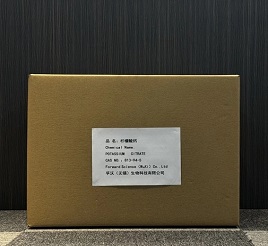
| Packing | Affects warehouse handling and moisture protection | Net weight, inner liner, pallet and label requirements |
Forward Science's published sodium dodecyl sulfate specification includes active matter, moisture, sodium sulfate, sodium chloride, pH, trace-element and absorbance parameters. The current specification and lot-specific COA should be requested before supplier approval.
Before moving from a laboratory trial to commercial production, manufacturers should establish a documented material-approval process:
Define the required application function and measurable acceptance criteria.
Use a sample with a traceable lot number and representative COA.
Test the sample in the complete formulation and actual process water.
Confirm dissolution, order of addition, mixing and foam control at pilot scale.
Review the product specification, COA, SDS and TDS.
Confirm standard or optional packaging before planning warehouse handling.
Provide the required quantity, forecast, destination, Incoterm and delivery schedule when requesting a quotation.
Compare the approved sample with the first wholesale production batch.
Additional formulation sectors can be found on the industrial chemical applications page.
The sulfate head group carries a negative charge in aqueous systems, while the hydrocarbon chain is hydrophobic. This structure drives interfacial adsorption and aggregation behavior.
No. The measured value depends on temperature, electrolyte content, solvent composition, other additives and the analytical method.
It may interact strongly with cationic components and can cause major viscosity changes, complex formation or precipitation. Compatibility must be tested before scale-up.
No. Foam and detergency are different performance attributes. Cleaning should be evaluated using the intended soil, surface, water and rinsing conditions.
Not automatically. The two surfactants differ in structure, molecular weight, specification and formulation behavior. Any substitution requires validation.
Provide the application, target performance, required specification, pack size, trial quantity, annual volume, destination country and documentation requirements.
Forward Science is a sodium dodecyl sulfate manufacturer, supplier and wholesale partner for industrial formulators and chemical distributors. Share your formulation type, technical requirements, quantity and destination so that the appropriate specification, documents, packing and commercial terms can be reviewed.
Request an SDS sample, specification, lot-specific COA and wholesale quotation
Final surfactant performance depends on the complete formulation and processing conditions. Application testing should be completed before commercial production.