English

In the field of cleaning, anionic surfactants are the earliest developed, most widely produced, and most diverse class of surfactants, with the highest level of industrial maturity. While anionic surfactants generally have lower detergency compared to nonionic surfactants, they offer several advantages that nonionics lack, including excellent resistance to acids, alkalis, and hard water, good low-temperature fluidity, and, most notably, a lower cost. As a result, anionic surfactants represent the largest and most extensively used category within the surfactant family.
Anionic surfactants are typically classified into several types based on their chemical structures, including sulfonates, carboxylates, sulfate esters, and phosphate esters.
Anionic surfactants are widely used in various cleaning formulations. By combining different anionic components, formulators can significantly reduce product cost while improving properties such as cloud point, acid and alkali resistance, and low-temperature fluidity.
Among all anionic surfactants, LAS and AES stand out as the most traditional and extensively used due to their simple and mature production processes.
FMES is gaining market share thanks to its superior cleaning power. However, the instability and decomposition tendency of its raw material, long-chain fatty acid methyl ester, as well as its transport challenges, limit the rapid development of FMES.
SAS exhibits excellent penetration and outstanding wetting properties, making it an irreplaceable ingredient in various wetting and penetrating agents.
AEC is gentle on the skin with virtually no side effects, making it widely used in personal care products and showing great potential for further development.
Phosphate esters are mainly used in industrial cleaning formulations to enhance alkali resistance.
Anionic surfactants are an indispensable part of surfactant systems. Incorporating an appropriate amount of anionic surfactant into a formulation can significantly boost detergency, salt and pH resistance, and antistatic performance, all while reducing overall cost—greatly enhancing product competitiveness.
Forward Science offers premium anionic surfactants wholesale, characterized by functional groups bearing a negative charge (anions), which are essential for surface activity.
Forward Science's anionic surfactants are widely applicable across industries, including personal care, household cleaning, and industrial applications.
Our anionic surfactants wholesale line features outstanding foaming, wetting, emulsifying, and cleansing capabilities, effectively removing dirt, grease, and stains.
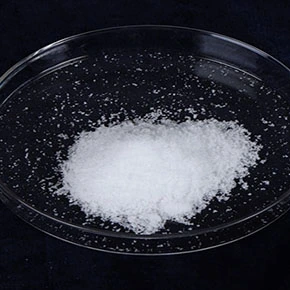
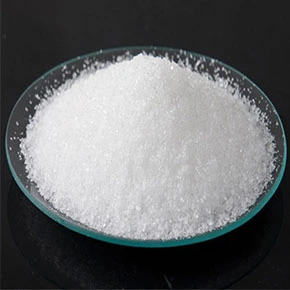
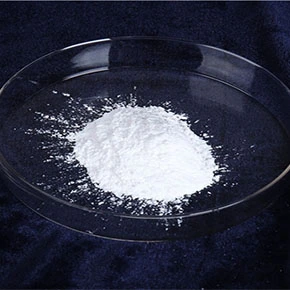
Forward Science's product offerings include popular and high-performance anionic surfactants such as Sodium Dodecyl Sulfate (SDS, CAS 151-21-3) and Sodium Laureth Sulfate (SLES).