English

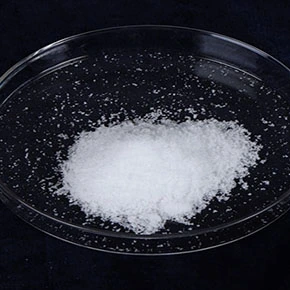
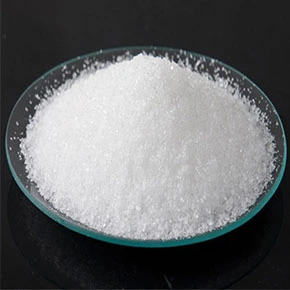
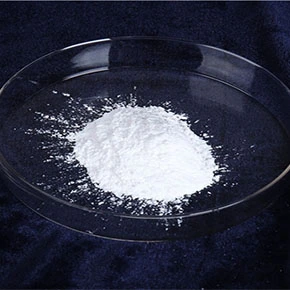
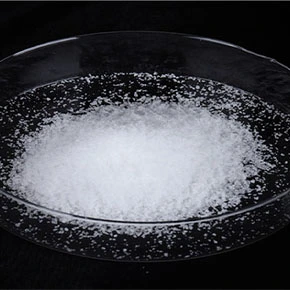
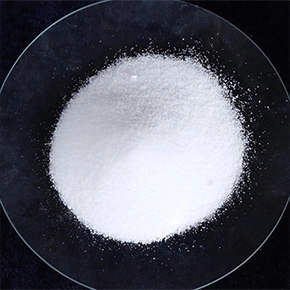
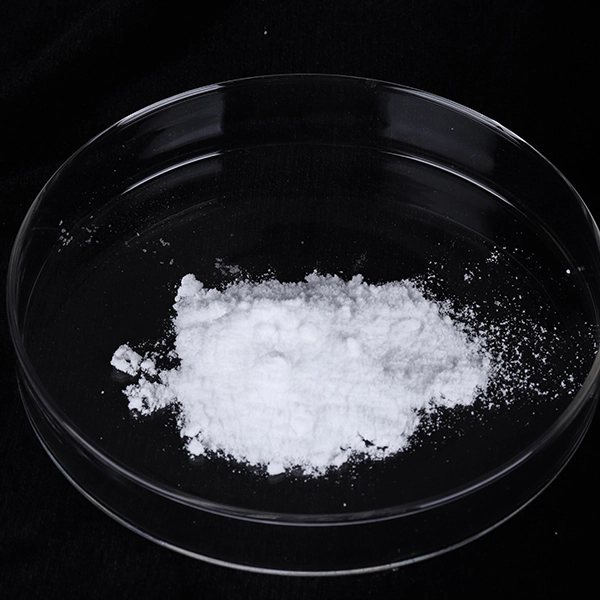
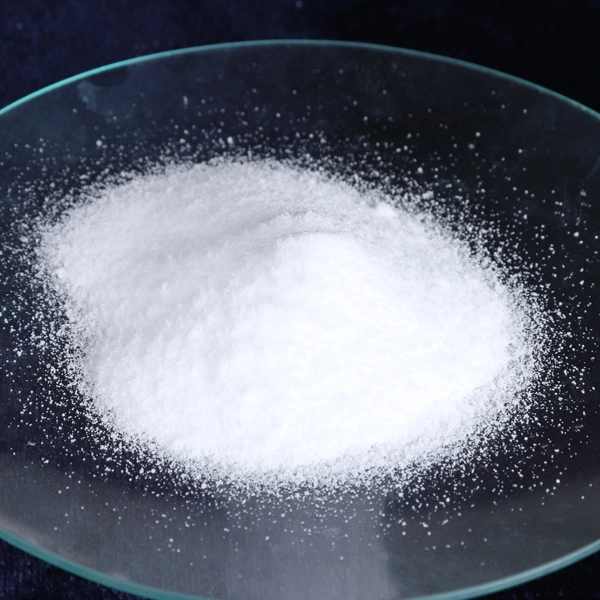
Sodium dodecyl sulfate (CAS: 151-21-3) is an excellent anionic surfactant. It is readily soluble in water, demonstrates good compatibility with both anionic and nonionic surfactants, and exhibits outstanding emulsifying, foaming, wetting, detergency, and dispersing properties. SDS is widely used in industries such as detergents, cosmetics, lubricants, pharmaceuticals, papermaking, construction materials, and chemicals.
SDS is commonly used as an emulsifier, fire extinguishing agent, foaming agent, and textile auxiliary. As an emulsifier, it finds application in pharmaceuticals, cosmetics, and synthetic resins. As a foaming agent, it is frequently used in toothpaste and shampoos. In textile processing, SDS is employed to produce fabrics with fragrances or mosquito-repellent properties.
In the food industry, SDS is a widely used processing aid in the production of cakes, beverages, proteins, fresh fruits, fruit juices, and edible oils.
Additionally, SDS is a commonly used ionic detergent in laboratory applications. It disrupts cell membranes by interacting with the hydrophobic regions of membrane proteins, leading to their separation from the lipid bilayer. At high concentrations, SDS can also disrupt non-covalent interactions such as ionic and hydrogen bonds in proteins, potentially altering their conformation. This property is essential in SDS-PAGE, a technique used for protein analysis and separation.
SDS is flammable when exposed to open flame or high heat and can decompose under high temperatures to release toxic gases. It is an irritant to mucous membranes and the upper respiratory tract, and can cause irritation to the eyes and skin, potentially triggering allergic reactions in the respiratory system. Accumulation of SDS in the environment poses potential risks to human health and aquatic life and may lead to the degradation of soil and aquatic ecosystems.
In industrial settings, personnel handling SDS should undergo specialized training and strictly adhere to operational protocols. Appropriate personal protective equipment (PPE) must be worn during handling, including self-priming filter-type dust masks, chemical safety goggles, chemical-resistant clothing, and rubber gloves. Fire and heat sources must be strictly controlled. In case of accidental contact with skin or eyes, flush immediately with running water or saline solution and seek medical attention promptly.