

Address
No.8 Huayou 3rd Road, Xinwu District, Wuxi City, Jiangsu Province, China


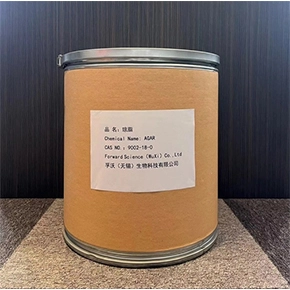
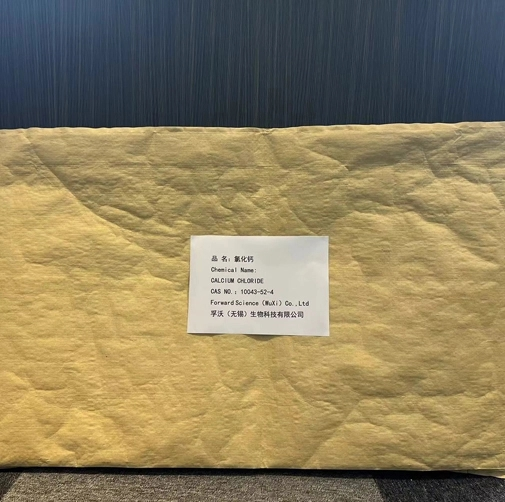
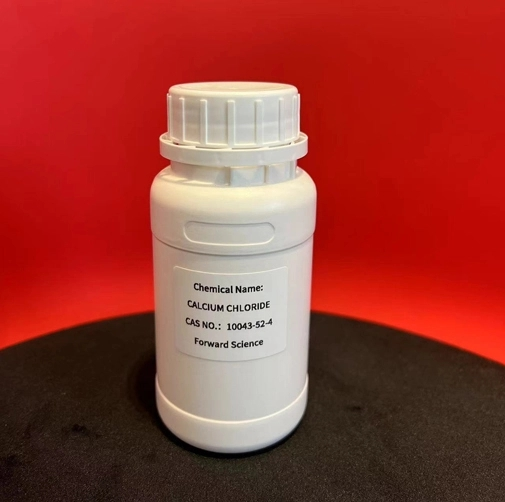
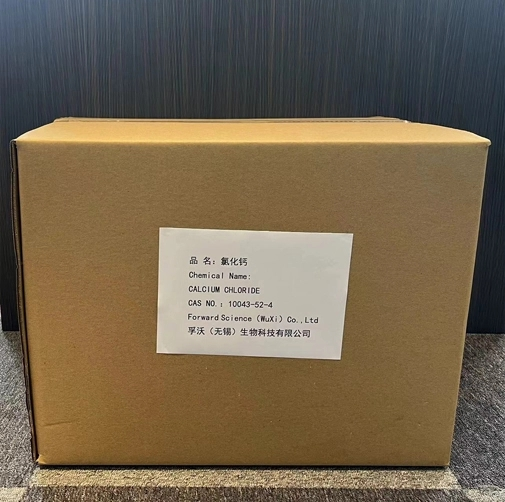
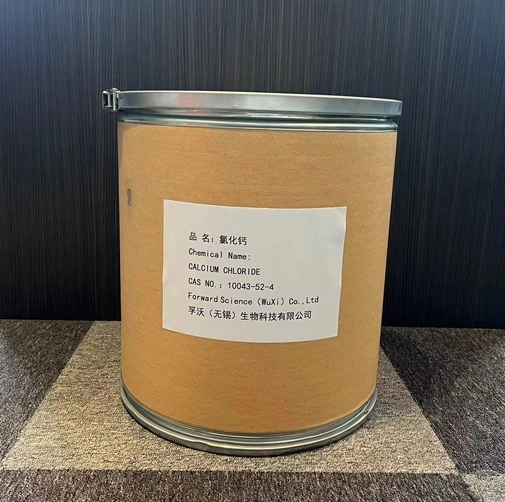
1. Chemical Name: CALCIUM CHLORIDE
2. Molecular Formula: CaCl2、CaCl2·2H2O
3. Molecular Weight: 111
4. CAS: 10043-52-4
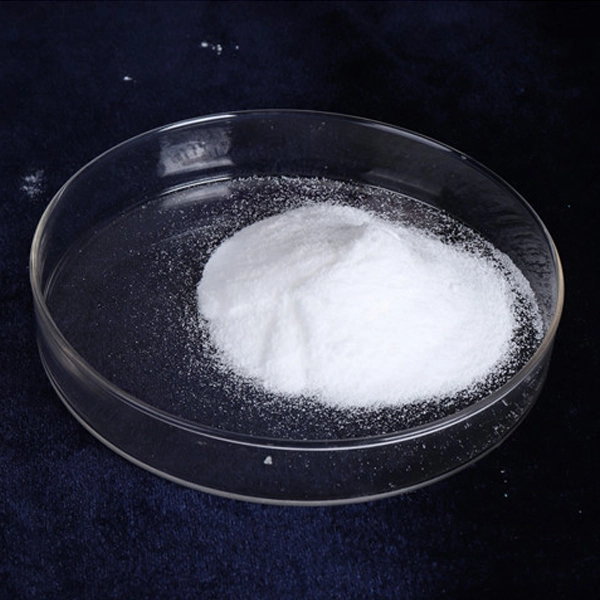
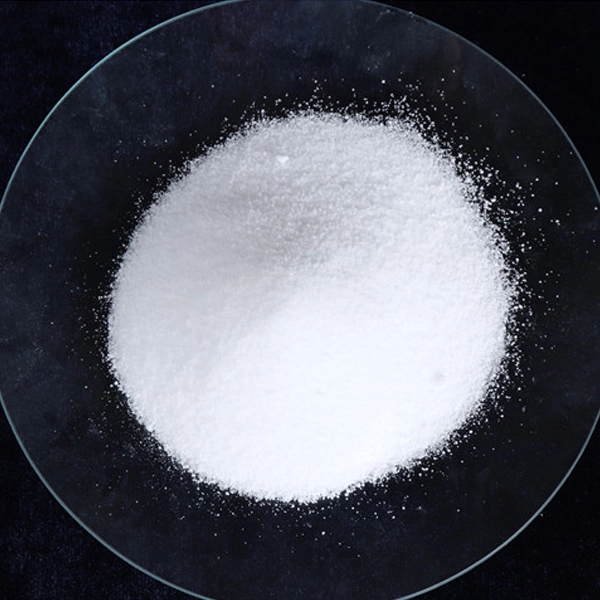
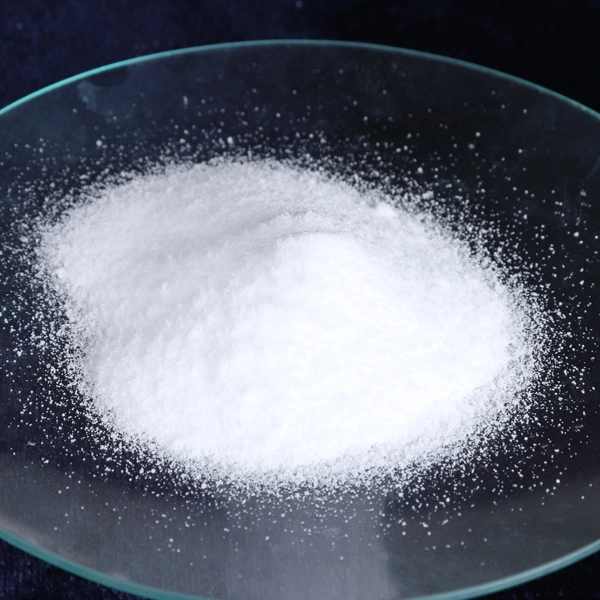
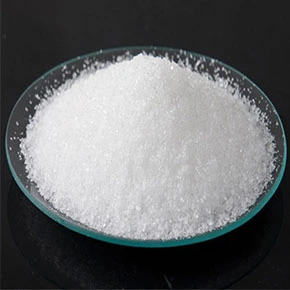
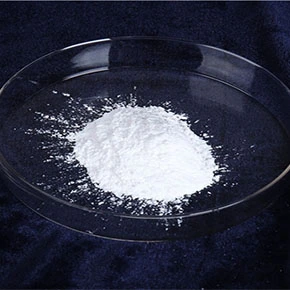
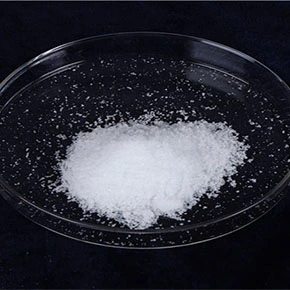
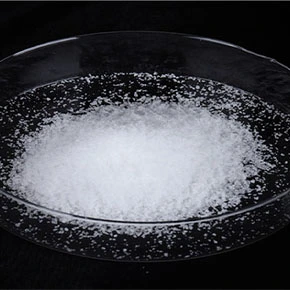
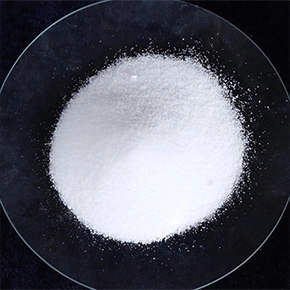
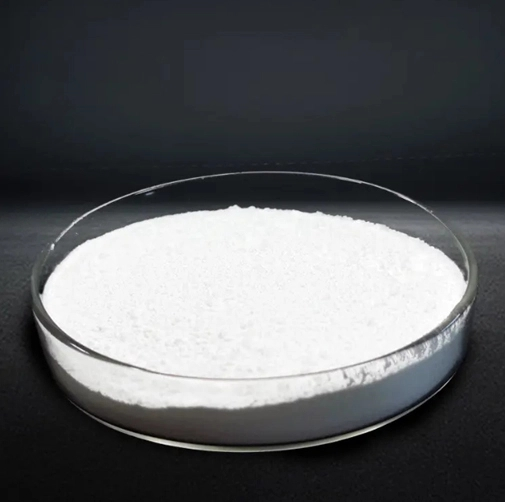
5. Character: Colorless cubic crystal, white or off-white, granular honeycomb, lumpy, round, irregular, granular, powdery, slightly toxic, odorless, slightly bitter, highly hygroscopic, easily deliguous and easily soluble in water when exposed to air, while releasing a large amount of heat, its aqueous solution is slightly acidic.
6. Shelf life: 24 months
| Specification | GB1886.45-2016 | FCC V | |
| Content (CaCl2), w/% | ≥93.0% | 93.0-100.5% | |
| Content (CaCl2·2H2O), w/% | 99.0-107.0% | 99.0-107.0% | |
| Acid-Insoluble Matter, w/% ≤ | --- | 0.02% | |
| Alkalies (Free), w/% ≤ | Anhydrous, w/% ≤ | 0.25% | --- |
| Dihydrate, w/% ≤ | 0.15% | --- | |
| Magnesium and Alkali Salts, w/% ≤ | Anhydrous, w/% ≤ | --- | 5.0% |
| Dihydrate, w/% ≤ | --- | 4.0% | |
| heavy metal/(mg/kg) ≤ | 20.0mg/kg | --- | |
| Arsenic salt/(mg/kg) ≤ | 3.0mg/kg | 3.0mg/kg | |
| Lead/(mg/kg) ≤ | 5.0mg/kg | 5.0mg/kg | |
| Fluoride/(mg/kg) ≤ | 40.0mg/kg | 40mg/kg | |
| PH Value | --- | 4.3-5.0 | |
These HCl-related compounds not only serve as precursors for hydrochloric acid (HCl) but also efficiently supply Cl⁻, making them critical in chemical manufacturing and practical for bulk hydrochloric acid for sale.
Common applications of calcium chloride include saline road ice-thawing agents and desiccants used in refrigeration equipment and used in the food industry as calcium fortifier, solidifying agent, chelating agent and desiccating agent.
It is packed with polythene bag as the inner layer, and a compound plastic woven bag as the outer layer. The net weight of each bag is 25kg.
It should be stored in a dry and ventilative warehouse, kept away from water and moisture during transport, unloaded with care as to avoid being damaged. Furthermore, it must be stored separately from poisonous substances.