

Address
No.8 Huayou 3rd Road, Xinwu District, Wuxi City, Jiangsu Province, China


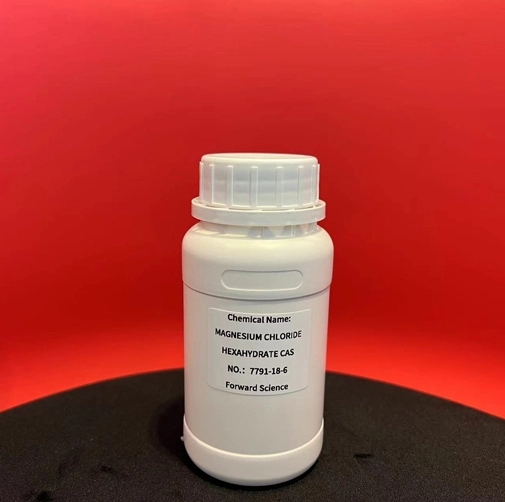
1. Chemical Name: Magnesium Chloride
2. Molecular Formula: MgCl2·6H2O
3. Molecular Weight: 203.30
4. CAS: 7791-18-6/786-30-3
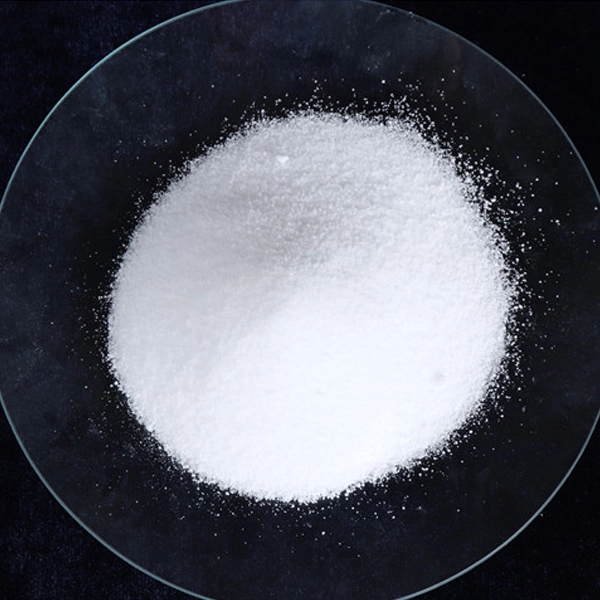
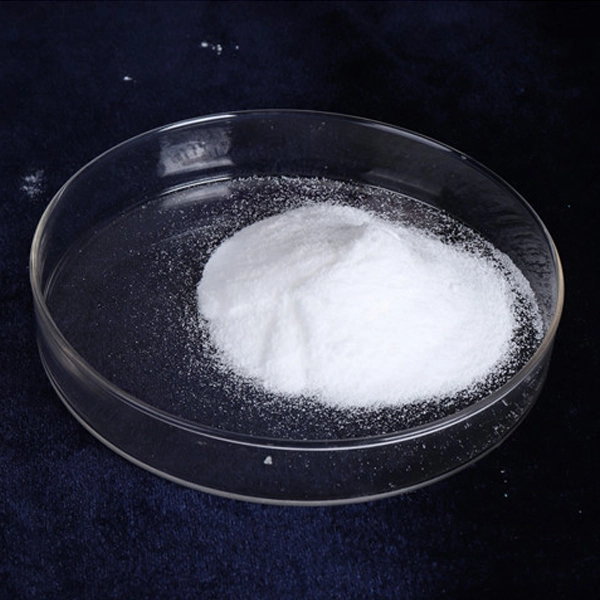
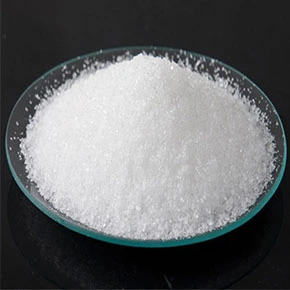
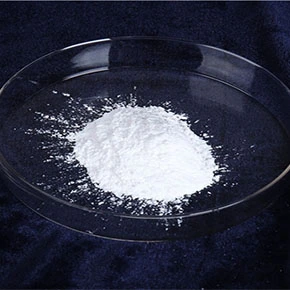
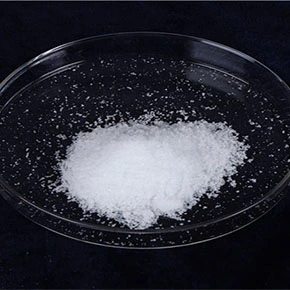
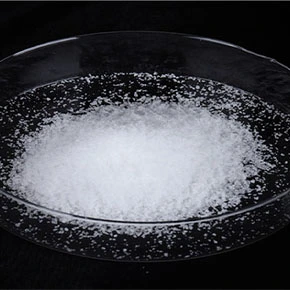
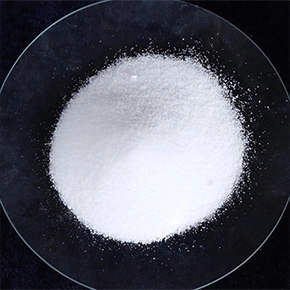
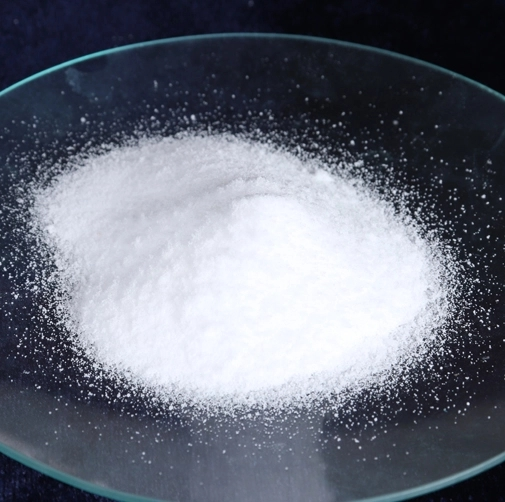
5. Character: Magnesium Chloride (CAS No. 7786 30 3/7791 18 6) is white or gray flaky, easily soluble in water. Being put in wet air, it’s easy to get itself wet. Decompose to hydrogen chloride and magnesium oxide in a high temperature.
6. Shelf life: 24 months
| Specification | GB25584-2010 | FCC V | FAO/WHO, 1992 |
| Colour, status | White flakes or granular crystals | —— | |
| MgCl2.6H2O ≥% | 99.0% | 99.9-105.0% | 99.9-105.0% |
| MgCl2 ≥% | 46.4% | ---- | —— |
| Ca ≤% | 0.10% | ---- | —— |
| Ammonium ≤% | 0.005% | 0.005% | 0.005% |
| As ≤% | 0.0005% | ---- | 0.0003% |
| Pb ≤% | 0.0001% | 0.0004% | 0.001% |
| Heavy Metals ≤% | —— | ---- | 0.003% |
| Sulfates ≤% | 0.40% | 0.03% | 0.03% |
| Chroma/degree ≤ | 30 | ---- | |
| Insoluble ≤% | 0.10% | ---- | —— |
Functioning as HCl reservoirs or reactive chloride suppliers, such compounds are essential in catalysis and material synthesis, driving demand for high-quality HCl for sale in various sectors.
It can be used in making bean curd. Using brine (solution of magnesium chloride) to make bean curd is far more better than using gypsum.
It also can be used as food additives in other food industries. It may also be referenced with other chemicals used in sugar production, which include additives for juice clarification and pH control in sugar refining.
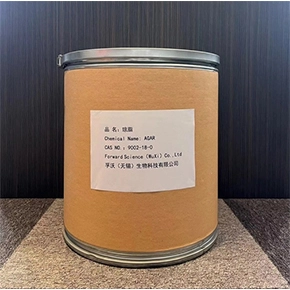
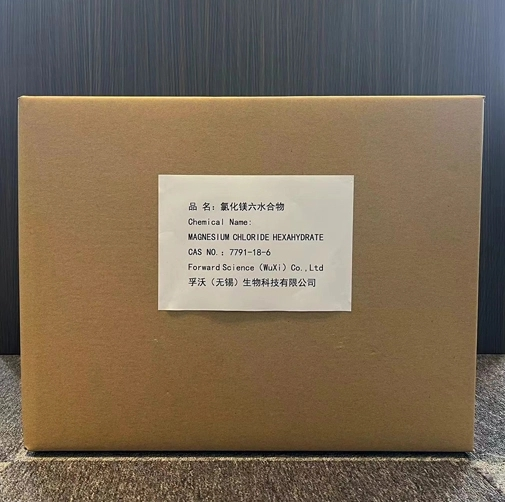
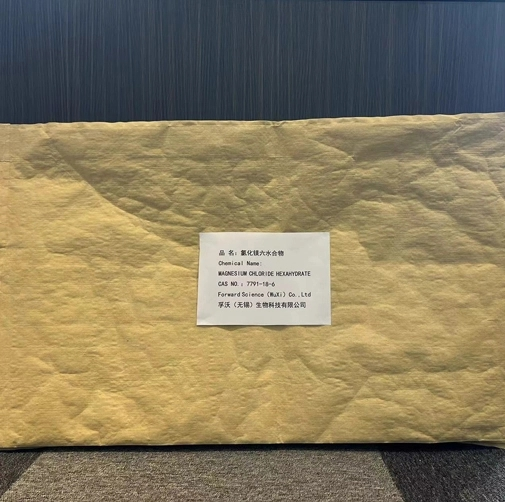
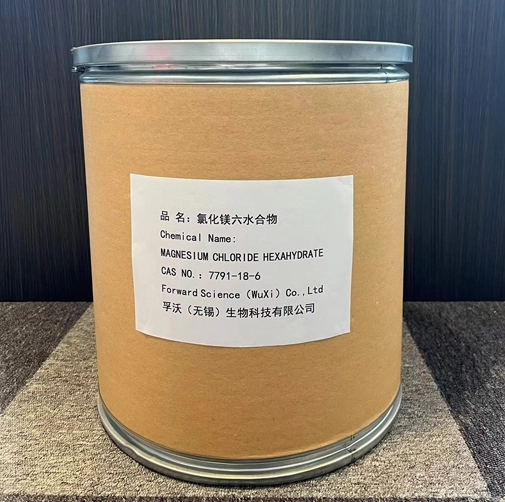
It is packed with polythene bag as the inner layer, and a compound plastic woven bag as the outer layer. The net weight of each bag is 25kg.
It should be stored in a dry and ventilative warehouse, kept away from water and moisture during transport, unloaded with care as to avoid being damaged. Furthermore, it must be stored separately from poisonous substances.